
8 glasses of water a day: truth, myth or fraud?
How much water does a person actually need per day? Should you drink 8 glasses of water a day? Should it be more or less? Discover the history of water needs.
By Jay Wiener
*This page may contain affiliate links; This means I earn money by purchasing qualifying products.
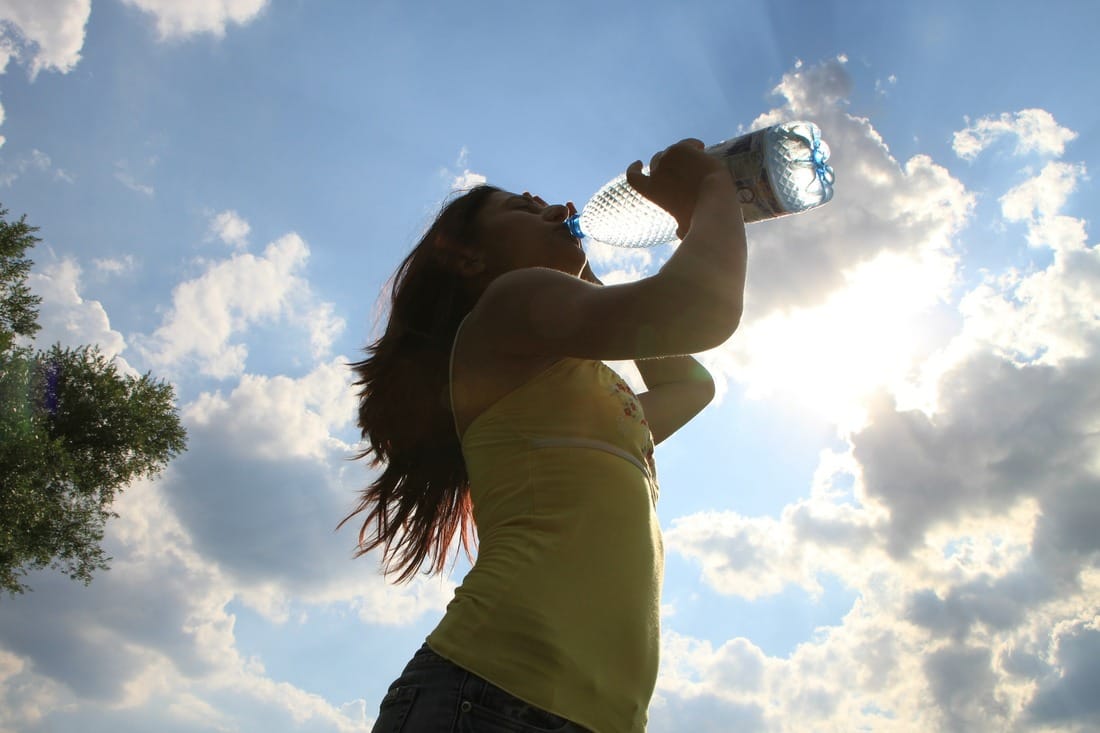
Not long ago I was watching Sanjay Gupta interviews a muscular man about a diet book he “wrote” that “shows the best way to lose weight very quickly.” (Note: The old “lose weight fast” meme is a great way to sell tons of diet books without actually helping anyone.) In the interview, Mr. Lunk (that may not be his real name) presented his theory: People should drink a large glass of water before each meal and drink significantly more water throughout the day to stay hydrated. For him, 8 glasses of water a day was the absolute minimum.
This is a wonderful suggestion if you’re riding a camel in a caravan of desert nomads, but not if you live in, say, Seattle.

|
Anyway, The myth of hydration continues, promoted not only by cellophane celebrities, but also by serious teachers who tell us with deep sincerity how important it is to stay hydrated every day. But before you strap a 32-ounce water bottle to your hip, remember that the obscure word “gravitas” was popularized by journalists trying to describe Dick Cheney’s academic, celebratory authority. And think about it, it worked.
|
Are we all dehydrated?
So who invented the principle of eight glasses of water a day? According to Chris Gayomali in an intelligent article he wrote for This week“The idea of a “minimum water requirement” is relatively new; She first appeared in dietary guidelines published in 1945 by the Food and Nutrition Board of the National Academy of Sciences. The Academy incorrectly suggested “2,500 ml”. [2.6 quarts] “A certain amount of fluid should be consumed daily,” although primary clinical studies have never been cited. Translation: Someone guessed it.
Should you drink 8 glasses of water a day?
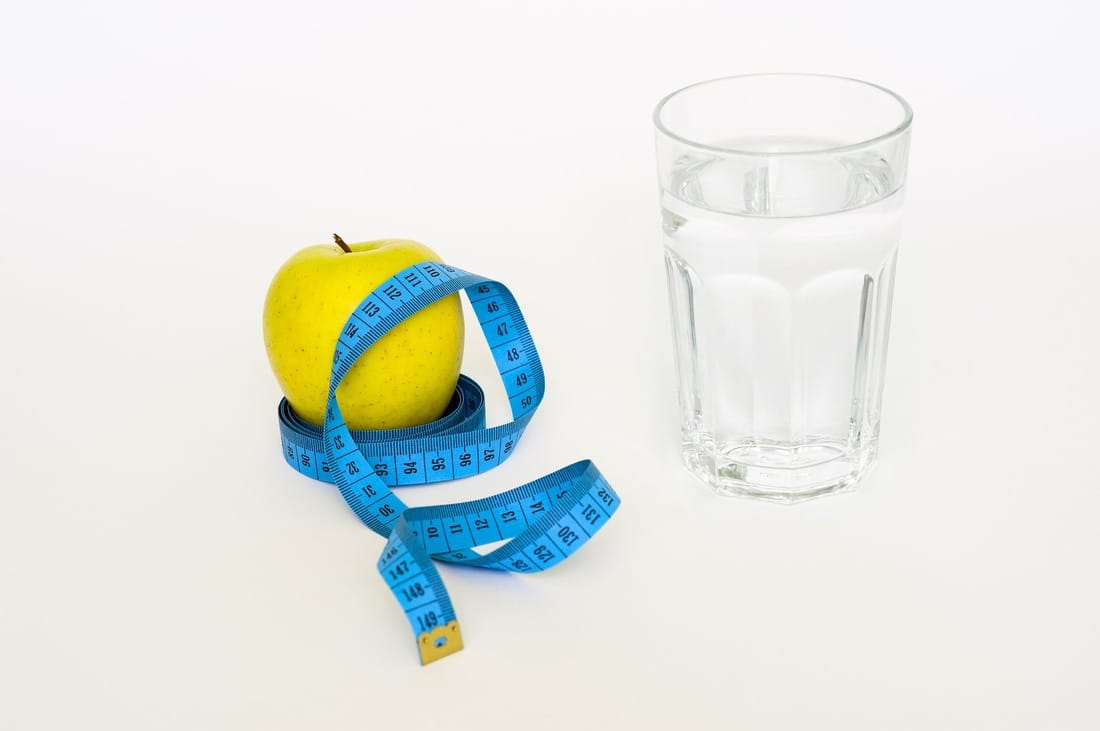
The people who brag about how wonderful it is to drink eight bottles of water every day are the people who sell us bottled water.
And what about studies that say hydration is essential for health? Either they were misquoted or they were bad studies. Also from the BMJ: “In 2002, Heinz Valtin published a critique of the evidence in the American Journal of Physiology. He concluded: “Not only is there no scientific evidence that we should drink that much, but the recommendation could be harmful…” Dated June 2008. Journal of the American Society of Nephrology “There is no clear evidence of a benefit from drinking more water…There is also no clear evidence of a lack of benefit. In fact, there is simply a lack of evidence in general.” (2008)
Blame Dannon (and a few others).

|
IN ORDER. Here’s the truth about drinking fluids: If you frequently play beach volleyball on a hot, sunny day, it’s not a bad idea to drink 8 glasses of water every day. Protect yourself from dehydration. |
Of course, it’s a good idea to drink water rather than sugary juices or sodas. Drink labels must display a skull. However, an increase in fluid intake per se is not necessary. This will help improve some end results; It will not improve your health. However, although tea and coffee are common and have a dehydrating effect, this is not the case. The mild diuretic effects of caffeine are outweighed by the sheer volume of water in a cup of coffee. So if you want to waste your money on a $7 double almond latte at Starbucks, don’t feel guilty. About caffeine.
What’s the best way to stay hydrated?
Quite simply: don’t let yourself get thirsty. Drink water, tea or coffee beforehand, especially in hot weather or if you are exercising. And stop worrying about all the rules you have to follow, including this one.
When you think about it, it doesn’t make sense to require everyone to drink eight glasses of water a day. Why would a 5-foot-tall grandmother drink the same amount of water as her 6-foot-8 college football player grandson? Why are eight glasses of water a day perfect, but not seven or nine? And why is this idiotic myth still floating around the Internet like dead flounder?
|
About the author: Jay Wiener, comedian and wellness writer, is the author of The diet in 16 words. He is also the mathematician who wrote the popular website’s algorithm. Weight rangethe elusive scientific replacement for body mass index.
Jay began writing about wellness after surviving a massive heart attack in his 50s and then losing more than 100 pounds (45.5 kg). He is a popular motivational speaker; You can reach him at: [email protected]
|

|
Sign up for more wellness…delivered straight to your inbox.
Are you a therapist, coach or wellness entrepreneur?
Take ours Free e-book Learn how to grow your wellness business fast!
