
Polycyclic Aromatic Hydrocarbons: Causes & Effects
Learn about the role of Polycyclic Aromatic Hydrocarbons (PAHs) in our food, health, and environment.
*This page may include affiliate links; that means we earn from qualifying purchases of products. |
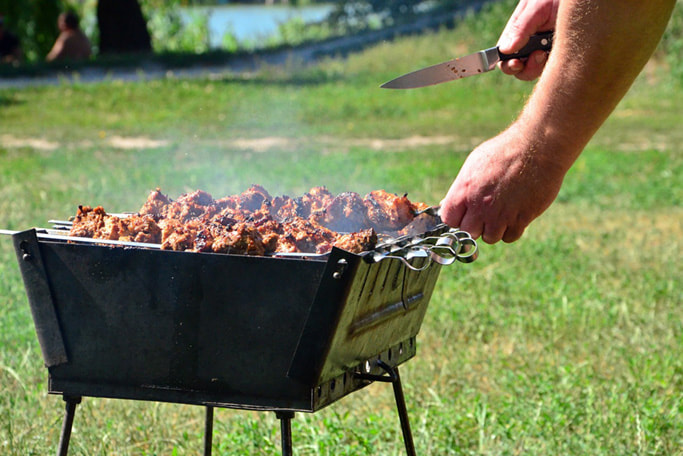
Ever wondered what’s really going on with the smoke from your BBQ or that cozy fireplace? Well, it’s time to meet the invisible guests: Polycyclic Aromatic Hydrocarbons (PAHs). These guys are more common than you think and they’re hanging out in more places than just your grill.
In this article, we’re going to lift the curtain on PAHs to see what they’re really about, |
where you can find them, and why they should be on your radar. So, grab a seat, and let’s dive into this unseen part of our everyday lives. You’ll be surprised to find out how much these tiny compounds are playing a part in what we eat and the air we breathe.
Are You a Therapist, Coach, or Wellness Entrepreneur?
Grab Our Free eBook to Learn How to
Grow Your Wellness Business Exponentially!
✓ Save hundreds of hours of time ✓ Earn more $ faster
✓ Boost your credibility ✓ Deliver high-impact content
What Are Polycyclic Aromatic Hydrocarbons? (A Definition)
PAHs are a group of chemicals that are formed during the incomplete burning of coal, oil, gas, wood, or other organic substances. Think about the smoke from a barbecue or the soot from a fireplace – these are common examples of where PAHs can be produced (Sampaio et al., 2021). But why are they a topic of interest, especially in relation to our food and health?
Here’s the key point: PAHs can make their way into our food. This happens through various means, such as when food is directly exposed to smoke during cooking (like grilling or smoking meat) or by the cooking process itself (Bansal et al., 2017). They may also come through environmental contamination of crops (Sampaio et al., 2021). It’s a bit like an unwanted guest showing up at your dinner table.
Understanding Polycyclic Aromatic Hydrocarbons
Understanding PAHs is crucial because they’re not just passive byproducts; some of them can be harmful to our health. Research has shown that exposure to certain PAHs can be linked to various health issues, including some types of cancer (Yuan et al., 2022). It’s kind of like learning about the ingredients in your food; knowing about PAHs helps you make more informed choices about what you eat and how you prepare it.
In the grand scheme of things, PAHs are a small but important piece of the puzzle when it comes to food safety and our overall well-being. So, as we delve deeper into this topic, remember that it’s not just about chemistry – it’s about understanding the subtle ways our environment interacts with our food and, ultimately, with our health.
Chemistry of Polycyclic Aromatic Hydrocarbons
The Basic Structure of PAHs
At their core, PAHs are made up of multiple aromatic rings. Picture a honeycomb-like structure but in a chemical sense. These rings are flat, and they consist of carbon and hydrogen atoms arranged in a pattern that resembles a series of interlocked rings or hexagons (Wikipedia, n.d.). This structure is what makes PAHs both stable and, in some cases, reactive, especially when they come into contact with other substances.
So, next time you’re cooking or enjoying your favorite grilled dish, remember that at a molecular level, there’s a lot going on. This knowledge about PAHs isn’t meant to alarm you but to empower you with a deeper understanding of the chemistry of what we eat.

Examples of Polycyclic Aromatic Hydrocarbons
Common PAHs in the Culinary World
- Benzo[a]pyrene (BaP): This is one of the most well-known PAHs and often used as a marker for PAH contamination in food. You might find BaP in charred meats, smoked fish, and barbecue products (Bansal et al., 2017). It’s formed when fat and juices from meat grilled at high temperatures drip onto the fire, creating smoke that then adheres back to the surface of the meat (Das et al., 2023).
- Fluoranthene (FluA): This is another example of a PAH that’s relevant in food studies. Fluoranthene can be formed during the cooking process, particularly in foods that are grilled, smoked, or barbecued (Sumer & Oz, 2023). While it’s not as frequently mentioned as BaP, it’s still an important PAH to be aware of, especially when considering the impact of high-heat cooking methods on the formation of PAHs in food.
- Benzo[a]anthracene (BaA): Another significant PAH, benzo[a]anthracene, is often detected in charbroiled foods (Sumer & Oz, 2023). Like BaP, it forms when organic matter, particularly fats and oils in food, undergoes incomplete combustion at high temperatures. This PAH is a concern due to its potential health impacts, which are similar to other compounds in its class.
Why Are Polycyclic Aromatic Hydrocarbons Important?
Maybe it’s opting for grilled veggies more often than meat or choosing different cooking methods like baking or steaming, which are less likely to produce PAHs.
In the end, knowledge is power, especially when understanding the chemistry of our food and how it can impact our well-being. So, next time you enjoy your favorite smoked or grilled dish, you’ll know more about what’s on your plate beyond just the flavors.
Sources of Polycyclic Aromatic Hydrocarbons
- Grilling and Barbecuing: These cooking methods are perhaps the most significant contributors to PAH formation in food. The direct exposure to smoke and high heat can cause the formation of various PAHs on the surface of the food (Das et al., 2023).
- Smoking: Traditional smoking methods can lead to higher levels of PAHs in foods like smoked meats and fish (Onopiuk et al., 2022).
- Frying at High Temperatures: While not as significant a source as grilling or smoking, frying foods at very high temperatures, especially with reused cooking oils, can also lead to the formation of PAHs (Das et al., 2023).
While we’ve touched on grilling, smoking, and frying, it’s worth noting that the intensity and duration of these cooking methods can significantly impact PAH levels (Das et al., 2023).
For example:
- High-Temperature Grilling: The hotter and longer the grilling, the more PAHs are likely to form.
- Type of Fuel: Wood or charcoal can contribute differently to PAH formation than gas grilling.
Polycyclic Aromatic Hydrocarbons & Food Processing
Certain industrial food processing techniques can introduce PAHs. For instance:
- Smoking for Preservation: Industrial smoking processes, especially those not carefully controlled, can lead to higher PAH concentrations in foods (Onopiuk et al., 2021).
- Drying Procedures: Some drying methods, particularly those involving direct exposure to smoke or heat, can also contribute to PAH formation in products like sausages (Puljić et al., 2019).
Polycyclic Aromatic Hydrocarbons & PollutionThis is a broader category that encompasses several ways PAHs can enter our food supply:
- Air Pollution: PAHs from industrial emissions, vehicle exhaust, and urban pollution can settle on crops and infiltrate the soil, indirectly affecting our food (Desalme et al., 2013).
- Contaminated Soil and Water: Plants grown in contaminated soil or irrigated with polluted water can absorb PAHs. These contaminated plants can be direct sources of PAHs in our diet or indirectly affect us through the food chain, such as when animals consume these plants (Bansal & Kim, 2015).
- Use of Contaminated Fertilizers or Compost: Fertilizers derived from sources with high PAH levels can transfer these compounds to crops (Hui et al., 2022).
So, how do we end up eating PAHs? Mostly through grilled, charred, or smoked meats. And, yes, foods grown in polluted areas can have them too. But here’s a fun fact: using certain marinades on your meat before grilling can actually reduce the amount of PAHs that form. It seems like some ingredients like onions and garlic as well as lemon juice in marinades might act as a barrier (Farhadian et al., 2012).

Video: Polycyclic Aromatic Hydrocarbons: What Are They and Why Do They Matter?
Polycyclic Aromatic Hydrocarbons Effects
- PAHs Love Fats: These guys get into our system mainly through fatty foods. Once inside, they’re like unwelcome guests who make themselves at home in our cells, particularly in organs like the liver.
- BaP, the Ring Leader: Think of Benzo[a]pyrene (BaP) as the ringleader of PAHs in food. It’s really good at mingling with fats, which means it gets around our body more than we’d like, potentially hanging out in places like the liver.
- Trouble at the Cellular Level: Here’s where it gets a bit worrying. As our bodies try to break down these PAHs, they can turn into some nasty byproducts that mess with our DNA. This can lead to cells behaving badly, which is not great news, especially in the long run.
- A Slow Build-Up: The thing with PAHs is they don’t just hit and run; they can build up over time. Eating a lot of foods high in PAHs means these compounds might stick around, possibly leading to health issues down the line.
So, while PAHs in food might not be as in-your-face harmful as other toxins, they’re still something to be mindful of. It’s all about balance and making sure we don’t go overboard with foods that might be high in PAHs. A little caution goes a long way!
Polycyclic Aromatic Hydrocarbons and Cancer
It’s complicated with PAHs (Bulanda & Janoszka, 2022).
- More Like Friends of Friends Than Direct Buddies: The thing with PAHs and cancer is that they’re associated, but one doesn’t directly cause the other. It’s like saying people who like thrillers might enjoy horror movies – there’s a link, but it’s not a guaranteed match.
- Just One Piece of the Puzzle: Cancer’s a complex beast, and it rarely comes down to just one culprit. PAHs hang out with other factors like genetics, lifestyle, and other environmental nasties. So, while they’re in the mix, they’re not the whole story.
- A Mixed Bag of Evidence: Depending on the type of cancer, the story changes. For some, like colorectal cancer, PAHs are more suspect. For others, like breast or prostate cancer, the evidence isn’t so clear. Scientists are still piecing this part together.
- Think ‘Risk Factor’ Rather Than ‘Cause’: PAHs are one of the risk factors in the grand scheme of things. They’re not the sole villain but more like a character with a bit part in the overall drama of cancer risk.
Knowing all this doesn’t mean you need to ditch the BBQ entirely. It’s about being smart – like enjoying those grilled goodies in moderation and trying out different ways to cook. It’s not about being scared of every grilled bite, but about being savvy with your choices and knowing what’s on your plate. Balance is key – a little caution can go a long way.
Cancers Linked to Polycyclic Aromatic Hydrocarbons (PAHs)
- Head and Neck Cancer (HNC): Ever thought your diet could affect your risk for something like head and neck cancer? Well, it turns out, munching on a lot of processed meats might up the risk of head and neck cancer, especially oral cavity cancers. So, those bacon slices could be more of a concern than we thought (Xu et al., 2014).
- Gastrointestinal Cancer: This one’s a biggie. Our diet is a major player in gastrointestinal cancers – it’s estimated to contribute to around 80% of colorectal cancer cases. And guess what? PAHs are one of the culprits behind this. It’s all about what happens in our guts when we process these compounds (Diggs et al., 2011).
- Esophageal Cancer: Here’s a shocker – high protein intake from processed meats can hike up the risk of esophageal cancer. Think twice before you overindulge in those smoked sausages! The link is particularly strong with esophageal adenocarcinoma (Choi et al., 2013).
- Pancreatic Cancer: The story with pancreatic cancer is a bit mixed. Some research points to heat-treated meats as a risk factor, thanks to those pesky and PAHs (Zhao et al., 2017). But it’s not a closed case yet – more digging needs to be done.
- Colorectal Cancer: Big news in the world of colorectal cancer – the food we eat, especially PAHs in red meat dishes, are big risk factors. It’s not just what we eat, but how we cook it that matters (Helmus et al., 2013).
- Prostate Cancer: The link between diet, especially grilled and well-done meats, and prostate cancer is being explored. Some studies are saying there’s a connection, others not so much. It’s kind of like a dietary detective story – some clues point one way, others another (John et al., 2011).
- Renal and Bladder Cancer: Here’s something interesting – grilling meat might not just be a concern for your stomach but also for your kidneys and bladder. Studies are hinting that those PAHs in grilled meat could be linked to a higher risk of kidney and bladder cancers. So, maybe ease up on the BBQ sometimes, eh? (Daniel et al., 2011).
- Breast Cancer: Breast cancer and diet is a complex topic. Some research suggests that fried meats could be a risk factor for certain breast cancer types. But again, it’s not a one-size-fits-all situation. Different studies are getting different results, which makes it a tricky area to navigate (Genkinger et al., 2013; Anderson et al., 2018).
While we love our meats and BBQs, it’s good to be in the know about how they might impact our health in the long run. The world of PAHs and cancer links is still unfolding, and keeping an eye on this research can help us make smarter choices for our health. Remember, everything in moderation – including those grilled delights.

Polycyclic Aromatic Hydrocarbons and Yerba Mate
Yerba Mate, Briefly
Yerba mate comes from the leaves of the Ilex paraguariensis plant. It’s not just about the taste – it’s a whole cultural vibe, often shared among friends. But here’s where things get a bit tricky.
PAHs Crashing the Yerba Mate Party
- How PAHs Sneak In: When yerba mate leaves are dried, often over fires, it’s like they pick up hitchhikers in the form of PAHs (Londoño et al., 2018). This is similar to what happens when you smoke meat.
- The Research Tells Us: Different studies have found that yerba mate can have varying levels of PAHs, depending on the drying process (Golozar et al., 2012). It’s not a reason to panic, but it’s good to be clued in.
- Why It Matters: There’s been some talk about regular yerba mate drinkers having a higher risk of certain cancers. Now, it’s not just the PAHs – the heat of the drink and other stuff in there play a role too (Okaru et al., 2018). Still, PAHs are part of the conversation.
Enjoying Yerba Mate Without the Worry
So, you love yerba mate? No worries, you don’t have to ditch it:
- Pick the Right Brand: Some yerba mate producers are on top of this and try to keep PAH levels low. A little research to find these brands goes a long way.
- Everything in Moderation: Like with all good things, enjoy yerba mate in moderation. It’s about mixing it up and not making it your all-day, every-day drink.
- Stay Updated: Keep an eye on the latest research. As we learn more, we’ll get better at making yerba mate safer and keeping those PAH levels down.
In short, yerba mate is like your favorite snack – awesome to have, but better to know what’s in it. A bit of knowledge and moderation can let you enjoy it while keeping health in check.
Analysis of Polycyclic Aromatic Hydrocarbons
The Cool Tools They Use to Measure PAHs:
- Gas Chromatography (GC): Think of this like a super-fancy sieve. It separates all the different bits in a sample so scientists can take a closer look. It’s like sorting out a pile of mixed-up legos into their different colors and shapes (Sampaio et al., 2021).
- Mass Spectrometry (MS): This is where the magic happens. Once the PAHs are all lined up and separated, Mass Spectrometry comes in like a detective with a magnifying glass, identifying each PAH and telling us how much of it is there (Sampaio et al., 2021).
The Steps They Take to Measure PAHs:
- Prepping the Scene: First off, they’ve got to get the sample ready. Whether it’s a piece of steak or a scoop of river water, it needs a bit of care to get it ready for the big machines.
- Finding the Culprits: Then, into the Gas Chromatography it goes for some sorting action. After that, the Mass Spectrometry steps up to pinpoint each PAH, kind of like calling out suspects in a lineup.
Why Measuring PAHs Is Important:
- Keeping Tabs on PAH Levels: This whole process is key for figuring out if there’s too much of the bad stuff – PAHs – in our food or environment. It’s like a health check-up for our planet and our dinner plates.
- Researching and Improving: This info is gold for scientists. They use it to figure out how PAHs affect us and our world and to come up with ways to keep them in check.
The Bigger Picture on PAHs
- Setting the Rules: All this science stuff helps set the safety rules – like how much PAH is okay in our food and air.
- Regular Check-Ups: Just like you’d keep an eye on your car or your health, regular testing makes sure PAH levels don’t go off the charts.
Analyzing PAHs is a blend of smart science and detective work, keeping our environment and food safe. It’s about understanding these tiny, hidden characters in our daily lives and making sure they stay in line.

Articles Related to Polycyclic Aromatic Hydrocarbons
Books Related to Polycyclic Aromatic Hydrocarbons
Final Thoughts on Polycyclic Aromatic Hydrocarbons
Alright, so we’ve delved into the world of Polycyclic Aromatic Hydrocarbons (PAHs), and guess what? It’s not all doom and gloom. Knowing about these sneaky compounds doesn’t mean you have to say goodbye to your beloved BBQ. It’s all about being a bit crafty with how you cook. Love grilling? Cool, just try not to turn your food into charcoal. Feel like mixing it up? Baking and steaming are your friends. And hey, those tasty marinades aren’t just flavor boosters – they’re your secret shield against PAHs. Armed with this info, go ahead and savor your meals, knowing you’re making smarter choices for yourself and the planet.
Don’t Forget to Grab Our Free eBook to Learn How to
Grow Your Wellness Business Exponentially!
References
- Anderson, J. J., Darwis, N. D. M., Mackay, D. F., Celis-Morales, C. A., Lyall, D. M., Sattar, N., Gill, J. M. R., & Pell, J. P. (2018). Red and processed meat consumption and breast cancer: UK Biobank cohort study and meta-analysis. European journal of cancer (Oxford, England : 1990), 90, 73–82.
- Bansal, V., & Kim, K. H. (2015). Review of PAH contamination in food products and their health hazards. Environment international, 84, 26–38.
- Bansal, V., Kumar, P., Kwon, E. E., & Kim, K. H. (2017). Review of the quantification techniques for polycyclic aromatic hydrocarbons (PAHs) in food products. Critical reviews in food science and nutrition, 57(15), 3297–3312.
- Bulanda, S., & Janoszka, B. (2022). Consumption of Thermally Processed Meat Containing Carcinogenic Compounds (Polycyclic Aromatic Hydrocarbons and Heterocyclic Aromatic Amines) versus a Risk of Some Cancers in Humans and the Possibility of Reducing Their Formation by Natural Food Additives-A Literature Review. International journal of environmental research and public health, 19(8), 4781.
- Choi, Y., Song, S., Song, Y., & Lee, J. E. (2013). Consumption of red and processed meat and esophageal cancer risk: meta-analysis. World journal of gastroenterology, 19(7), 1020–1029.
- Daniel, C. R., Schwartz, K. L., Colt, J. S., Dong, L. M., Ruterbusch, J. J., Purdue, M. P., Cross, A. J., Rothman, N., Davis, F. G., Wacholder, S., Graubard, B. I., Chow, W. H., & Sinha, R. (2011). Meat-cooking mutagens and risk of renal cell carcinoma. British journal of cancer, 105(7), 1096–1104.
- Das, A. K., Bhattacharya, D., Das, A., Nath, S., Bandyopadhyay, S., Nanda, P. K., & Gagaoua, M. (2023). Current innovative approaches in reducing polycyclic aromatic hydrocarbons (PAHs) in processed meat and meat products. Chemical and Biological Technologies in Agriculture, 10(1), 109.
- Desalme, D., Binet, P., & Chiapusio, G. (2013). Challenges in tracing the fate and effects of atmospheric polycyclic aromatic hydrocarbon deposition in vascular plants. Environmental science & technology, 47(9), 3967–3981.
- Diggs, D. L., Huderson, A. C., Harris, K. L., Myers, J. N., Banks, L. D., Rekhadevi, P. V., Niaz, M. S., & Ramesh, A. (2011). Polycyclic aromatic hydrocarbons and digestive tract cancers: a perspective. Journal of environmental science and health. Part C, Environmental carcinogenesis & ecotoxicology reviews, 29(4), 324–357.
- Farhadian, A., Jinap, S., Faridah, A., & Zaidul, I. S. M. (2012). Effects of marinating on the formation of polycyclic aromatic hydrocarbons (benzo [a] pyrene, benzo [b] fluoranthene and fluoranthene) in grilled beef meat. Food Control, 28(2), 420-425.
- Genkinger, J. M., Makambi, K. H., Palmer, J. R., Rosenberg, L., & Adams-Campbell, L. L. (2013). Consumption of dairy and meat in relation to breast cancer risk in the Black Women’s Health Study. Cancer causes & control : CCC, 24(4), 675–684.
- Golozar, A., Fagundes, R. B., Etemadi, A., Schantz, M. M., Kamangar, F., Abnet, C. C., & Dawsey, S. M. (2012). Significant variation in the concentration of carcinogenic polycyclic aromatic hydrocarbons in yerba maté samples by brand, batch, and processing method. Environmental science & technology, 46(24), 13488–13493.
- Helmus, D. S., Thompson, C. L., Zelenskiy, S., Tucker, T. C., & Li, L. (2013). Red meat-derived heterocyclic amines increase risk of colon cancer: a population-based case-control study. Nutrition and cancer, 65(8), 1141–1150.
- Hui, K., Xi, B., Tan, W., & Song, Q. (2022). Long-term application of nitrogen fertilizer alters the properties of dissolved soil organic matter and increases the accumulation of polycyclic aromatic hydrocarbons. Environmental research, 215(Pt 2), 114267.
- John, E. M., Stern, M. C., Sinha, R., & Koo, J. (2011). Meat consumption, cooking practices, meat mutagens, and risk of prostate cancer. Nutrition and cancer, 63(4), 525–537.
- Londoño, V. A. G., Pok, P. S., & Resnik, S. (2018). Polycyclic Aromatic Hydrocarbons (PAHs) in “Yerba Mate”(Ilex paraguariensis) Fractions. Polycyclic Aromatic Compounds.
- Okaru, A. O., Rullmann, A., Farah, A., Gonzalez de Mejia, E., Stern, M. C., & Lachenmeier, D. W. (2018). Comparative oesophageal cancer risk assessment of hot beverage consumption (coffee, mate and tea): the margin of exposure of PAH vs very hot temperatures. BMC cancer, 18(1), 236. https://doi.org/10.1186/s12885-018-4060-z
- Onopiuk, A., Kołodziejczak, K., Marcinkowska-Lesiak, M., & Poltorak, A. (2022). Determination of polycyclic aromatic hydrocarbons using different extraction methods and HPLC-FLD detection in smoked and grilled meat products. Food chemistry, 373(Pt B), 131506.
- Onopiuk, A., Kołodziejczak, K., Szpicer, A., Wojtasik-Kalinowska, I., Wierzbicka, A., & Półtorak, A. (2021). Analysis of factors that influence the PAH profile and amount in meat products subjected to thermal processing. Trends in Food Science & Technology, 115, 366-379.
- Puljić, L., Mastanjević, K., Kartalović, B., Kovačević, D., Vranešević, J., & Mastanjević, K. (2019). The Influence of Different Smoking Procedures on the Content of 16 PAHs in Traditional Dry Cured Smoked Meat “Hercegovačka Pečenica”. Foods (Basel, Switzerland), 8(12), 690.
- Sampaio, G. R., Guizellini, G. M., da Silva, S. A., de Almeida, A. P., Pinaffi-Langley, A. C. C., Rogero, M. M., de Camargo, A. C., & Torres, E. A. F. S. (2021). Polycyclic Aromatic Hydrocarbons in Foods: Biological Effects, Legislation, Occurrence, Analytical Methods, and Strategies to Reduce Their Formation. International journal of molecular sciences, 22(11), 6010.
- Sumer, G., & Oz, F. (2023). The Effect of Direct and Indirect Barbecue Cooking on Polycyclic Aromatic Hydrocarbon Formation and Beef Quality. Foods (Basel, Switzerland), 12(7), 1374. https://doi.org/10.3390/foods12071374
- Wikipedia. (n.d.) Polycyclic aromatic hydrocarbon. https://en.wikipedia.org/wiki/Polycyclic_aromatic_hydrocarbon
- Xu, J., Yang, X. X., Wu, Y. G., Li, X. Y., & Bai, B. (2014). Meat consumption and risk of oral cavity and oropharynx cancer: a meta-analysis of observational studies. PloS one, 9(4), e95048.
- Yuan, H., Wang, Y., & Duan, H. (2022). Risk of Lung Cancer and Occupational Exposure to Polycyclic Aromatic Hydrocarbons Among Workers Cohorts – Worldwide, 1969-2022. China CDC weekly, 4(17), 364–369.
- Zhao, Z., Yin, Z., Pu, Z., & Zhao, Q. (2017). Association Between Consumption of Red and Processed Meat and Pancreatic Cancer Risk: A Systematic Review and Meta-analysis. Clinical gastroenterology and hepatology : the official clinical practice journal of the American Gastroenterological Association, 15(4), 486–493.e10.
Are You a Therapist, Coach, or Wellness Entrepreneur?
Grab Our Free eBook to Learn How to Grow Your Wellness Business Fast!
