What Do I Want?! 9 Tips to Figure Out What You Really Want in Life
Do you have a hard time figuring out what you want, setting goals, and moving forward? It can be tough to know what we really want. So here are some science-based tips to help you gain the clarity you need.

*This page may include affiliate links; that means I earn from qualifying purchases of products.
What Do I Want?
If we don’t know what we want, we can have a hard time setting or pursuing goals that would make us happy or improve our lives. We make moves, but they are the wrong ones. Or, rather than make the wrong move, we choose not to make any move at all. That’s why it’s so important to figure out what you want—what you really want—so that you can start living a life that reflects your needs, values, and goals.
✓ Before we dive in, we thought you might also be interested in taking our well-being quiz.
✓ Or, if you’re a well-being entrepreneur or coach, download our Wellness Business Growth eBook to get expert tips, tools, and resources to share with your audience.
Are You a Therapist, Coach, or Wellness Entrepreneur?
Grab Our Free eBook to Learn How to
Grow Your Wellness Business Exponentially!
✓ Save hundreds of hours of time ✓ Earn more $ faster
✓ Boost your credibility ✓ Deliver high-impact content
1. What Do I Want: What Makes You Happy?
The truth is that both external circumstances (like challenges at home, in our country, or in the world) and internal circumstances (like our tendency to be negative or difficulty loving ourselves) have an impact on our happiness. So if you do indeed want happiness, then it can be helpful to focus on improving your circumstances, for example by learning how to manifest the things you want, and to build skills like gratitude, resilience, mindfulness, and kindness.

2. What Do I Want: What Are Your Needs?
|
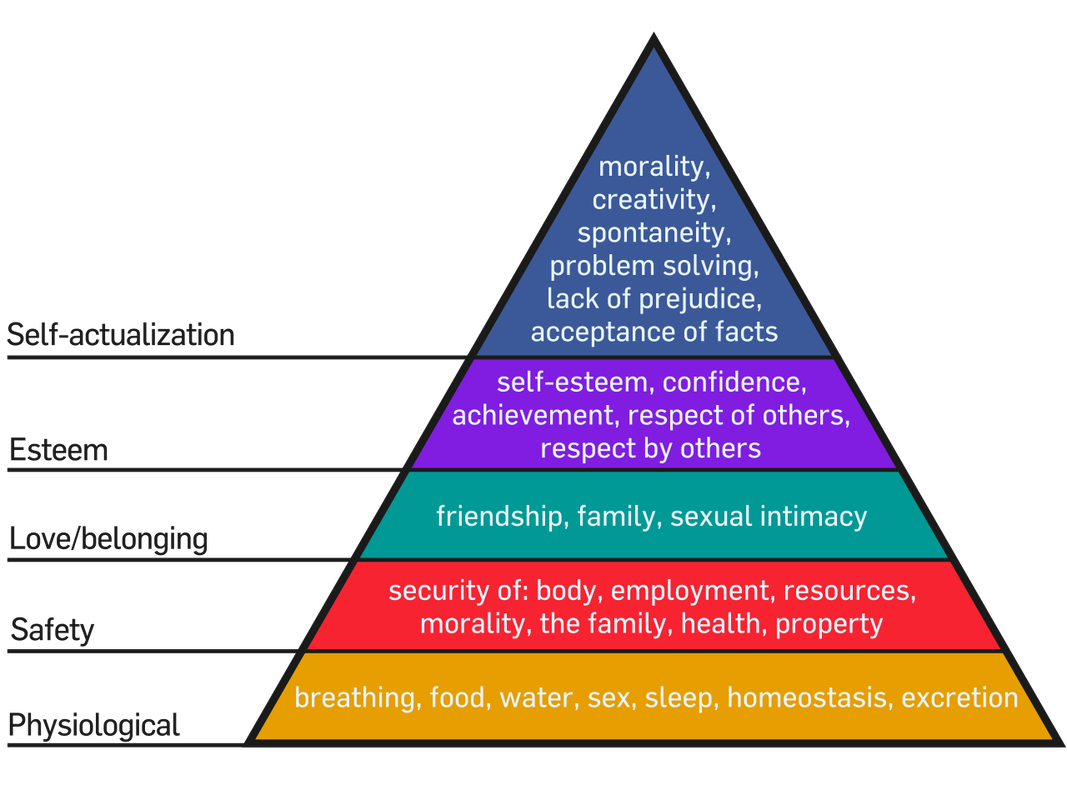
Maslow’s Hierarchy of Needs
Maslow proposed that some needs come before others and that the needs lower down on the hierarchy needs to be satisfied before we can attend to the needs higher up. The most important needs are basic needs like food, water, and safety. |
|

Some researchers have proposed another theory of needs. It proposes that we have three core needs: autonomy, relatedness, and competence.
- Autonomy. The belief that our actions are directed and in alignment with our true selves.
- Relatedness. The feeling that we are connected to those who are important to us.
- Competence. We can successfully bring about the outcomes we desire.
Meeting these needs has been crucially linked to our well-being (Reis et al., 2000). This suggests that exploring what we want using this model may be helpful. For example, ask yourself, do you feel that any of these three needs are lacking in your life? If so, which one(s)? How do you want things to be different? And what will you do to make that happen?

3. What Do I Want: What Are Your Values?
4. What Do I Want: What Gives You a Sense of Purpose?
Video: What Do You Really Want?
5. What Do I Want: What Activities Lead You to Flow?
So ask yourself, are there any activities that are so enjoyable you lose track of time, maybe even forgetting to eat or use the restroom? Is there a way you can do these activities more and make them a more integral part of your life?
6. What Would You Want if There Were No Limits?
When asking yourself this question, keep the previous discussion points in mind. Wanting a million dollars makes no difference if you don’t know the meaningful things you’d spend it on. Wanting to have some fancy job doesn’t matter if the job isn’t a good fit for your needs, values, and interests. But expanding your mind by thinking of the big, maybe even impossible life goals can help you get more clarity of the deeper wishes that you may have buried.

7. What Do I Want: Who Do You Admire (or Get Jealous Of)?
8. What Do I Want: How Do You Envision the Gestalt of Your Life?
I believe Gestalt theory applies when it comes to identifying what we want. Often, changing one small thing in our lives doesn’t have the large and sustained impacts that we desire. For example, if we are someone who wants love then we find it, we may still not be happy if we do not yet love ourselves. Or, if we want to lose weight and we are successful in doing so, we may still be the person we wanted to escape and therefore, not feel satisfied even when we reach our goal.
To my mind, this is one reason why identifying what we want can be so difficult. What we really want is to change the gestalt of our lives, the overall pattern of things in some way. Naming and planning out how we reach some small specific goal can feel unsatisfying because deep down we know it won’t change our lives.
But, this insight also points to a new way to clarify what we really want. Ask yourself, what kind of life do you want to lead? What patterns do you want your life to follow? And how do you want the pieces of your life to work together? These are big, difficult questions, but seeking their answers can be helpful.
Quotes on ‘What Do I Want’
- “When what you value and dream about doesn’t match the life you are living, you have pain.” ― Shannon L. Alder
- “First set a strong and clear inner voice and then do all that you want to achieve and the door will be opened.” ― Amit Ray
- “Moving on will show you a lot about who you are, what you truly want, & what you have no desire to waste your time on.” ― April Mae Monterrosa
- “The only way to get everything you want in life is to be very clever about what you want.” ― George Hammond
- “Not everything you’re good at is what you’re called to do.” ― Joyce Rachelle
- “Never allow your mind to decide what you have, when your heart knows what you want.” ― RJ Intindola
Video: Figure Out What You Really Want
9. What Don’t You Want?
One more way to figure out what you do want is by being clear about the things you don’t want. List the things that are most important to keep out of your life. Perhaps your list will include things like hate, injustice, loneliness, etc… Once you have your list, think about what is left. What kind of life could you make from more positive experiences? What goals can you set to try to avoid the experiences you don’t want?
More Reading to Get What You Want
- “Who Am I?” + Other Questions to Know Yourself Better
- How to Manifest Something (Manifest Love, Money, or Anything)
- Life Goals: Definition, Examples, & Strategies for Setting Personal Goals
- Vision Boarding: Ideas, Examples, Supplies, and More
- How to Change: 6 Science-Based Tips & Strategies
- Wish Lists: Ideas, Examples, & Quotes
- Needs and Wants: Definition, Difference, & Examples
- Bucket List Ideas: 211 Fun, Unique, & Travel Ideas
Books Related to Knowing What You Want
Final Thoughts on “What Do I Want?”
Don’t give up on exploring what you want and pursuing your dreams. Your life is what you make it, and it’s worth trying to make it what you want it to be.
Don’t Forget to Grab Our Free eBook to Learn How to
Grow Your Wellness Business Exponentially!
References
- Huta, V., & Waterman, A. S. (2014). Eudaimonia and its distinction from hedonia: Developing a classification and terminology for understanding conceptual and operational definitions. Journal of Happiness Studies, 15(6), 1425-1456.
- Jackson, S. A., & Marsh, H. W. (1996). Development and validation of a scale to measure optimal experience: The Flow State Scale. Journal of sport and exercise psychology, 18(1), 17-35.
- Reis, H. T., Sheldon, K. M., Gable, S. L., Roscoe, J., & Ryan, R. M. (2000). Daily well-being: The role of autonomy, competence, and relatedness. Personality and social psychology bulletin, 26(4), 419-435.
- Roccas, S., Sagiv, L., Schwartz, S. H., & Knafo, A. (2002). The big five personality factors and personal values. Personality and social psychology bulletin, 28(6), 789-801.
- Rock, I., & Palmer, S. (1990). The legacy of Gestalt psychology. Scientific American, 263(6), 84-91.
Are You a Therapist, Coach, or Wellness Entrepreneur?
Grab Our Free eBook to Learn How to Grow Your Wellness Business Fast!