
Feeling Sad? Try These 20 Science-Based Depression Busters
What does it mean to feel sad and how do you take action to reduce sadness? Here are a bunch of science-based strategies to beat sadness and depression.

*This page may include affiliate links; that means I earn from qualifying purchases of products.
What Does It Mean to Feel Sad?
How Is Feeling Sad Different From Depression?
Regardless of whether you’re sad or depressed, these 20 science-based strategies can be helpful.
1. Learn How to Create More Positive Emotions
Are You a Therapist, Coach, or Wellness Entrepreneur?
Grab Our Free eBook to Learn How to
Grow Your Wellness Business Exponentially!
✓ Save hundreds of hours of time ✓ Earn more $ faster
✓ Boost your credibility ✓ Deliver high-impact content
2. Do Things That You Enjoy
3. Be Self-Compassionate
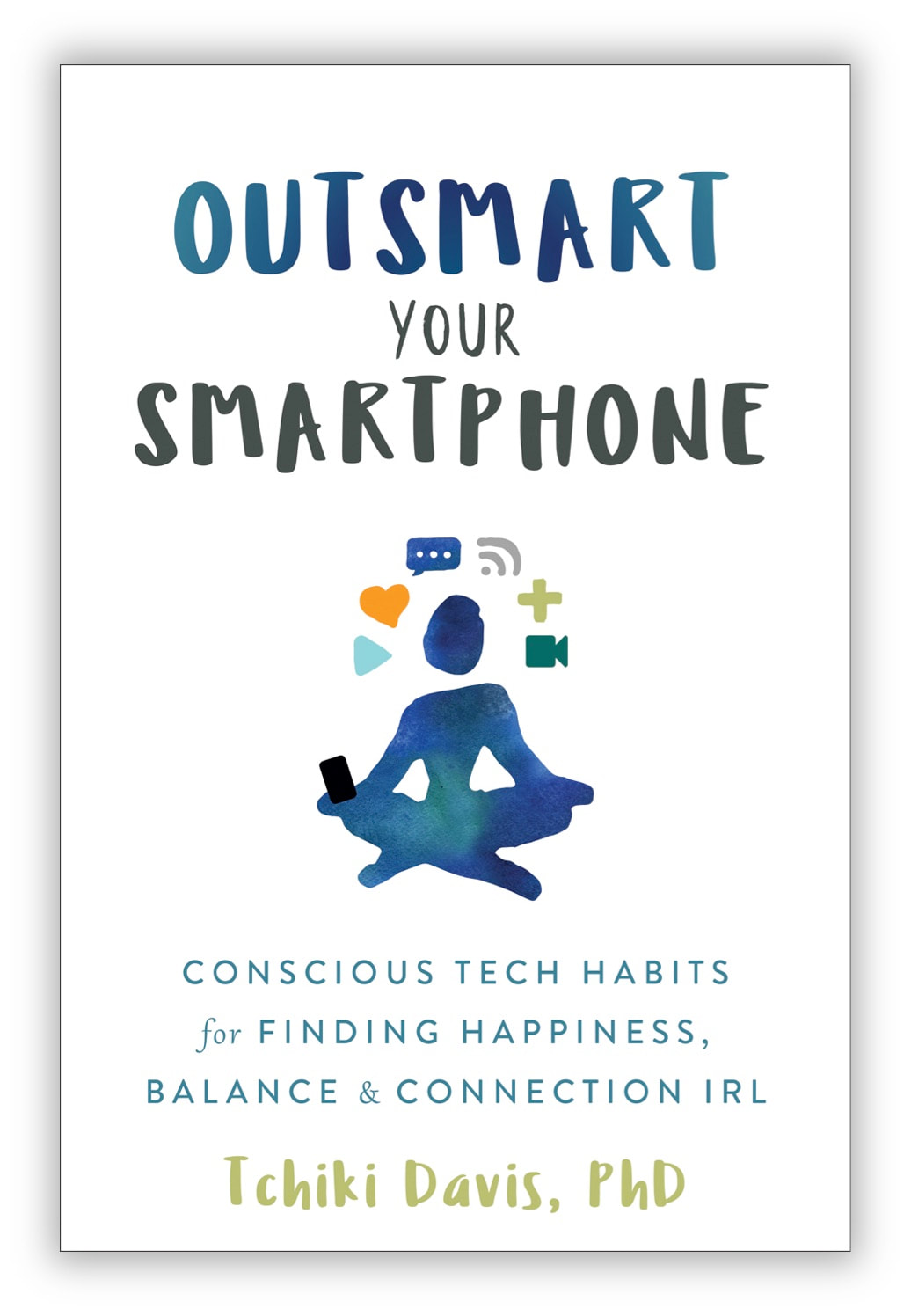
4. Outsmart Your SmartphoneThese days we’re on our phones 24-7. But we have to be careful because spending too much time on our phones or the Internet is associated with higher levels of depression and loneliness [6]. But it’s important to know that some types of Internet-use are actually good for us [7]. So, learn how to outsmart your smartphone and develop a relationship with technology that helps you when you’re feeling sad.
|
|
5. Decrease Your Stress

6. Improve Communication Skills
7. Work on Shutting Down Rumination
8. Try Not to Expect the Worst
9. Try Not to Be Self-Critical
Challenging self-critical thoughts can be helpful in reducing sadness. To do this, try to look for evidence that your self-critical thought is incorrect or try to find more positive interpretations. By challenging your self-critical thoughts, your brain can learn new ways of thinking that can help curb sadness.
10. Give Mindfulness a Try
11. Use Cognitive Reappraisal

12. Express Yourself Through Writing
Lots of research has explored the benefits of writing about your most intense emotional experiences. The goal of this type of writing is to let go and explore your real emotions. In one study, doing expressive writing for 45 minutes, 3 times per week for 3 weeks resulted in lowered depression [10]. So if you have sadness that was never fully resolved, this may be a good strategy for you.
13. Make a Plan
14. Read Some Self-Help Books
15. Take Online Courses to Boost Happiness
In addition to self-help books, online courses can also teach us things that help us feel less sad.

16. Boost Serotonin Levels
17. Use Your Diet to Decrease Sadness
18. Exercise Outdoors
Getting moderate to vigorous intensity activity has been linked to lower risk of depression. Aerobic exercise, in particular, may contribute to higher levels of serotonin [12]. So get outdoors in the sun and fresh air or go for regular walks to bust sadness.
19. Work on Sleeping Better
Insomnia predicts greater risk of developing depression [11]. So improving sleep may be helpful when you want to stop feeling sad. Some ways to improve sleep include establishing regular sleep times, adjusting diet in ways that aid sleep, and changing thought patterns that can negatively affect sleep.
20. Try Not to Obsesses About It
Articles Related to Feeling Sad
Books Related to Feeling Sad
Final Thoughts on Feeling Sad
Video: Feeling Sad
Don’t Forget to Grab Our Free eBook to Learn How to
Grow Your Wellness Business Exponentially!
References
- Beck, A.T. and R.A. Steer, Internal consistencies of the original and revised Beck Depression Inventory. Journal of Clinical Psychology, 1984. 40(6): p. 1365-1367.
- Blazer, D.G., et al., The prevalence and distribution of major depression in a national community sample: the National Comorbidity Survey. Am J Psychiatry, 1994. 1(994): p. 1.
- Fredrickson, B.L., et al., The undoing effect of positive emotions. Motivation and emotion, 2000. 24(4): p. 237-258.
- Rohde, P., N.C. Feeny, and M. Robins, Characteristics and components of the TADS CBT approach. Cognitive and behavioral practice, 2005. 12(2): p. 186-197.
- Koole, S.L., et al., The cessation of rumination through self-affirmation. Journal of Personality and Social Psychology, 1999. 77(1): p. 111.
- Kraut, R., et al., Internet paradox: A social technology that reduces social involvement and psychological well-being? American psychologist, 1998. 53(9): p. 1017.
- Shaw, L.H. and L.M. Gant, In defense of the Internet: The relationship between Internet communication and depression, loneliness, self-esteem, and perceived social support. Cyberpsychology & behavior, 2002. 5(2): p. 157-171.
- Charmandari, E., C. Tsigos, and G. Chrousos, Endocrinology of the stress response. Annu. Rev. Physiol., 2005. 67: p. 259-284.
- Garnefski, N., et al., Cognitive coping strategies and symptoms of depression and anxiety: a comparison between adolescents and adults. Journal of Adolescence, 2002. 25(6): p. 603-611.
- Stice, E., et al., Randomized trial of a brief depression prevention program: An elusive search for a psychosocial placebo control condition. Behaviour research and therapy, 2007. 45(5): p. 863-876.
- Knüppel, A., et al., Sugar intake from sweet food and beverages, common mental disorder and depression: prospective findings from the Whitehall II study. Scientific reports, 2017. 7(1): p. 1-10.
- Lopresti, A.L., S.D. Hood, and P.D. Drummond, A review of lifestyle factors that contribute to important pathways associated with major depression: diet, sleep and exercise. Journal of affective disorders, 2013. 148(1): p. 12-27.
Are You a Therapist, Coach, or Wellness Entrepreneur?
Grab Our Free eBook to Learn How to Grow Your Wellness Business Fast!
