
Relaxation Techniques: 21 Ways to Undo Stress and Relax
Feeling wired? Need to short-circuit your stress and just relax already? Here are a bunch of science-based strategies to help you relax and feel less anxious.

*This page may include affiliate links; that means I earn from qualifying purchases of products.
What Are Relaxation Techniques?
Need a “Quick Calm” Before We Start? Try This 3-Minute Relaxation Video:
Why Might We Need Relaxation Techniques?
Stress includes activation of the sympathetic nervous system, the release of cortisol, and the release of the catecholamines norepinephrine and epinephrine. The adrenal glands then must turn off cortisol to help us get back to normal [1]. But when we’re chronically stressed, our bodies have a harder time turning off the stress signals. So many of us are in great need of strategies to help us relax. (Grab this at-home test to test your cortisol levels).
Here are 21 relaxation techniques you can use to induce a sense of calm.
Are You a Therapist, Coach, or Wellness Entrepreneur?
Grab Our Free eBook to Learn How to
Grow Your Wellness Business Exponentially!
✓ Save hundreds of hours of time ✓ Earn more $ faster
✓ Boost your credibility ✓ Deliver high-impact content
Relaxation Technique 1. Try Mindfulness
Relaxation Technique 2. Do Positive Visualizations
Relaxation Technique 3. Listen to Relaxing Music
Relaxation Technique 4. Do Yoga
Relaxation Technique 5. Generate Positive Emotions

Relaxation Technique 6. Do Activities That You Enjoy
Relaxation Technique 7. Try Progressive Muscle Relaxation
One study asked employees to spend 20 minutes doing progressive muscle relaxation in a quiet room during daily lunch breaks. After six months, they had lower cortisol at both lunchtime and upon waking in the morning. This suggests that progressive muscle relaxation may be helpful for relaxation both in the short term and longer term [6].
Video: How to Do Progressive Muscle Relaxation
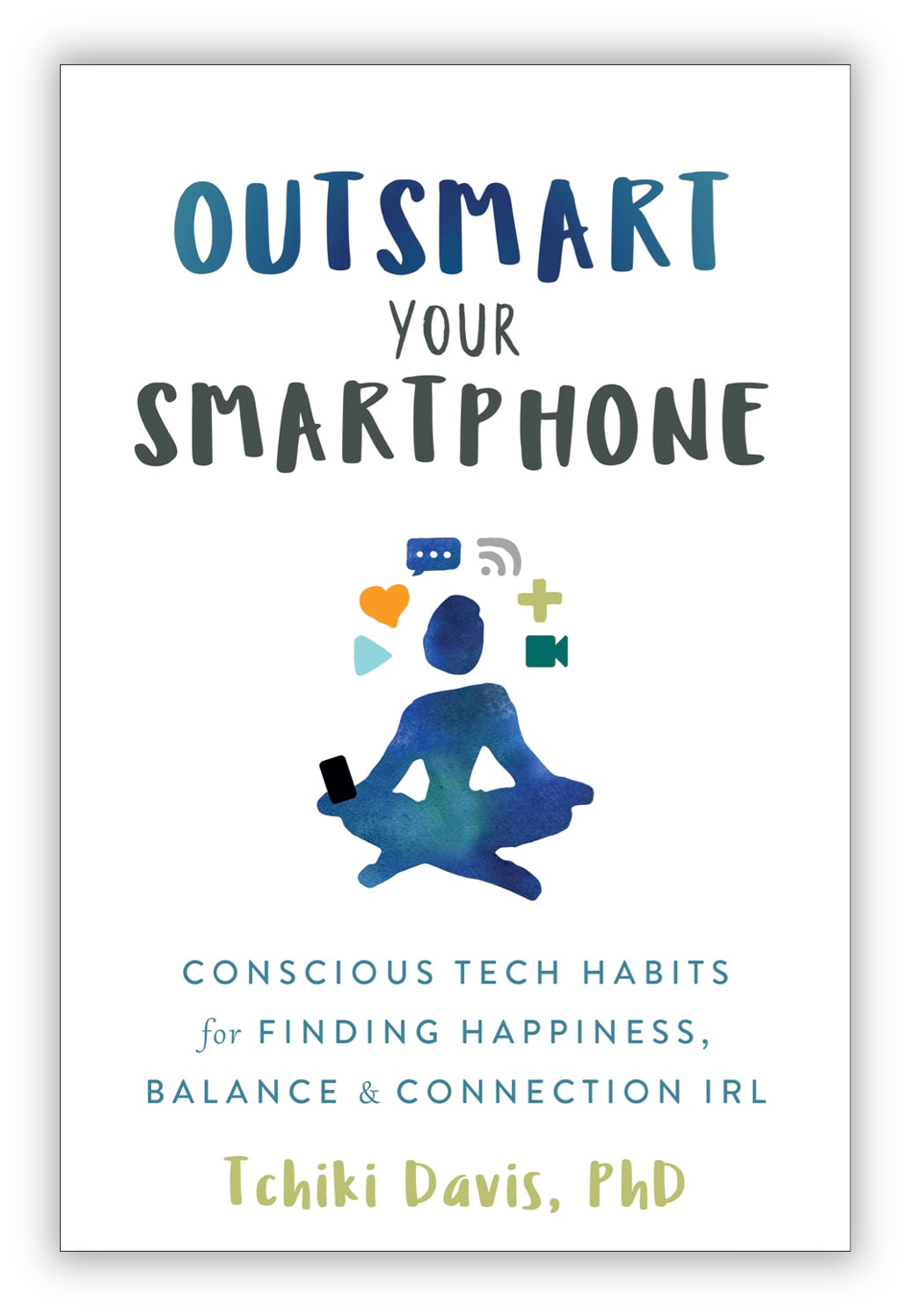
Relaxation Technique 8. Outsmart Your SmartphoneThese days we’re on our phones 24-7. But we have to be careful because spending too much time on our phones or the Internet is associated with higher levels of depression and anxiety. But don’t worry, if we implement good psychological habits while on our phones, they don’t have to stress us out. You can learn how to outsmart your smartphone and develop a relationship with technology that helps you feel better.
|
|
Relaxation Technique 9. Try Getting Massages
We know anecdotally that massages are relaxing. But the research supports it. For example, in one study, 10, 30-minute massage therapy sessions over five weeks led to lower cortisol [7]. This suggests that massages can help us relax in both the short and longer term.
Relaxation Technique 10. Use Breathing Techniques
One of the easiest ways to activate the parasympathetic nervous system is with deep breathing. Although there are lots of breathing techniques that can increase relaxation, SKY breathing—a technique involving cycling slow breathing (2-4 breaths per minute) then fast (30 breaths per minute), then three long “Om”s, or a long vibrating exhale—has been shown to lower anxiety [8].
Video: 3 Breathing Techniques for Relaxation
Relaxation Technique 11. Try Not to Imagine Worst Case Scenarios
Relaxation Technique 12. Derail Rumination
When we activate the parasympathetic nervous system, it can stop the stress response and the mind can start to cool down into a place of calm. You could go for a high-intensity run. Or, if it’s late in the evening, try to shift your thoughts with a guided meditation like the one in the video below.
Relaxation Technique 13. Take a Cold Shower or Swim
Relaxation Technique 14. Use Cognitive Reappraisal

Relaxation Technique 15. Consume Fewer Catechols
That’s why limiting the number of catechols in our body can be helpful for relaxation. Foods rich in catechols include green/black tea, coffee, chocolate, caffeine, and anything with quercetin in it [10].
Relaxation Technique 16. Eat Foods That Promote Relaxation
Relaxation Technique 17. Take Online Courses to Learn New Relaxation Skills

Relaxation Technique 18. Sleep
You already know just how important sleep is for human functioning. But sleep is super important for reducing stress and increasing relaxation as well. Lack of sleep can contribute to anxiety and higher levels of stress hormones like norepinephrine and epinephrine [12]. So sleep well and sleep often.
Relaxation Technique 19. Exercise Outdoors
Relaxation Technique 20. Get a Coloring Book
Relaxation Technique 21. Be Self-Compassionate
Articles Related to Relaxation Techniques
Books Related to Relaxation Techniques
Final Thoughts on Relaxation Techniques
There are so many relaxation techniques you could try. But don’t feel like you have to try them all at once. In time, maybe you’ll try them all, but for now, just do whatever works for you.
Don’t Forget to Grab Our Free eBook to Learn How to
Grow Your Wellness Business Exponentially!
References
2. Greeson, J. and J. Brantley, Mindfulness and anxiety disorders: Developing a wise relationship with the inner experience of fear, in Clinical handbook of mindfulness. 2009, Springer. p. 171-188.
3. Khalfa, S., et al., Effects of relaxing music on salivary cortisol level after psychological stress. ANNALS-NEW YORK ACADEMY OF SCIENCES, 2003. 999: p. 374-376.
4. Thirthalli, J., et al., Cortisol and antidepressant effects of yoga. Indian journal of psychiatry, 2013. 55(Suppl 3): p. S405.
5. Fredrickson, B.L., et al., The undoing effect of positive emotions. Motivation and emotion, 2000. 24(4): p. 237-258.
6. Krajewski, J., M. Sauerland, and R. Wieland, Relaxation‐induced cortisol changes within lunch breaks–an experimental longitudinal worksite field study. Journal of Occupational and Organizational Psychology, 2011. 84(2): p. 382-394.
7. Field, T., et al., Cortisol decreases and serotonin and dopamine increase following massage therapy. International Journal of Neuroscience, 2005. 115(10): p. 1397-1413.
8. Zope, S.A. and R.A. Zope, Sudarshan kriya yoga: Breathing for health. International journal of yoga, 2013. 6(1): p. 4.
9. Mourot, L., et al., Cardiovascular autonomic control during short-term thermoneutral and cool head-out immersion. Aviation, space, and environmental medicine, 2008. 79(1): p. 14-20.
10. Singh, B., et al., Dietary quercetin exacerbates the development of estrogen-induced breast tumors in female ACI rats. Toxicology and applied pharmacology, 2010. 247(2): p. 83-90.
11. Hilimire, M.R., J.E. DeVylder, and C.A. Forestell, Fermented foods, neuroticism, and social anxiety: An interaction model. Psychiatry research, 2015. 228(2): p. 203-208.
12. Zhang, J., et al., Relationship of sleep quantity and quality with 24-hour urinary catecholamines and salivary awakening cortisol in healthy middle-aged adults. Sleep, 2011. 34(2): p. 225-233.
13. Curry, N.A. and T. Kasser, Can coloring mandalas reduce anxiety? Art Therapy, 2005. 22(2): p. 81-85.
