
Mood Swings: Meaning, Causes, & Symptoms
Read on to learn about what causes mood swings and how they can sometimes signify more serious issues.
*This page may include affiliate links; that means we earn from qualifying purchases of products. |
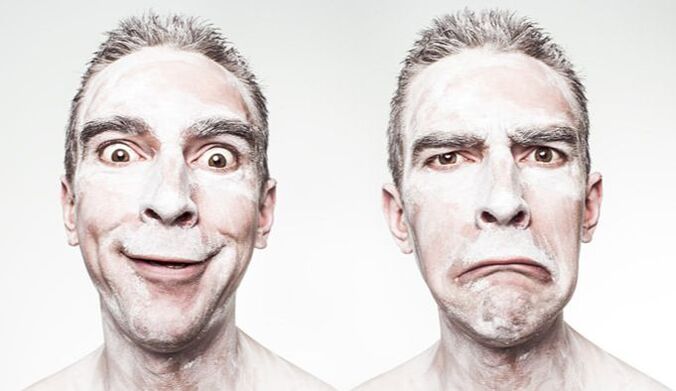
Ever feel like you’re on an emotional rollercoaster? Mood swings are a common experience, but what exactly do they mean, and what causes them? In this article, we’ll explore what they are, the reasons behind them, and the signs to watch out for that may indicate something more serious is going on. |
Are You a Therapist, Coach, or Wellness Entrepreneur?
Grab Our Free eBook to Learn How to
Grow Your Wellness Business Exponentially!
✓ Save hundreds of hours of time ✓ Earn more $ faster
✓ Boost your credibility ✓ Deliver high-impact content
What Are Mood Swings? (A Definition)
Causes of Mood Swings
- Hormonal changes: Hormonal fluctuations such as those that occur during menstruation, pregnancy, and menopause can disrupt the brain’s delicate chemistry of neurotransmitters, leading to mood swings.
- Stress: Stress can affect your emotional well-being by disrupting the balance of brain chemicals, leading to emotional fluctuations (Yaribeygi et al., 2017).
- Lack of sleep: When you don’t get enough sleep, it can affect your mood and make you more irritable. (Who isn’t cranky when they don’t sleep well?)
- Diet: What you eat can affect your mood. If you don’t eat regularly or if you don’t eat a healthy diet, you may be more likely to experience mood swings. This is because a poor diet can cause blood sugar spikes and crashes along with nutrient deficiencies that affect your mood.
- Medical conditions: Certain medical conditions such as thyroid problems, diabetes, and anemia can cause mood swings.
- Mental health conditions: Mood swings can also be a symptom of a mental health condition such as depression, bipolar disorder, or anxiety.
- Major life change: Unsurprisingly, big changes like moving to a new city, starting a new job, or having a baby can trigger mood swings.

Symptoms of Mood Swings
- Feeling happy and energetic one moment, then sad and withdrawn the next
- Irritability and impatience
- Angry outbursts
- Difficulty concentrating
- Changes in appetite or sleep patterns
- Social withdrawal
- Loss of interest in things you usually like
- Risky behavior
- Feeling overwhelmed or out of control
Examples of Mood Swings
- Feeling happy and excited one minute, then sad and irritable the next. This could be caused by stress, lack of sleep, or hormonal changes. It could also be triggered by an event. For example, maybe you wake up feeling excited about the day but then get an upsetting text from a friend, and suddenly you feel down.
- Going from being very outgoing and social to feeling withdrawn and isolated. This could be a sign of depression or social anxiety. Or, from my experience as an introvert, it could mean that you’re overstimulated and need a break and some alone time.
- Suddenly feeling angry or frustrated over something small or for no apparent reason. This could be a sign of underlying stress.
- Feeling energetic and motivated one day, then tired and lethargic the next. This could be caused by factors such as diet, exercise, or medical conditions.
- Experiencing intense emotional highs (mania) followed by periods of deep depression. This is a classic symptom of bipolar disorder, which we’ll cover later.
Mood Swings & Hormones
Hormone fluctuations can cause mood swings by influencing neurotransmitters in the brain, such as serotonin and dopamine, that play key roles in regulating mood and emotions. These fluctuations can disrupt the balance of these neurotransmitters, leading to mood changes ranging from irritability and anxiety to sadness or euphoria. Additionally, hormonal changes can affect the functioning of the hypothalamus, which is involved in emotion regulation, further contributing to mood swings (Kundakovic & Rocks, 2022).
Mood Swings & Menstruation
As mentioned above, premenstrual syndrome (PMS) is the term for the physical and emotional symptoms some people experience in the days or weeks leading up to their period. Mood swings are one of the most common symptoms of PMS.
If you experience mood swings that are severe or interfere with your daily life, you may have a condition called premenstrual dysphoric disorder (PMDD). PMDD is a more severe form of PMS that affects about 5–10% of menstruating people (UNC Center for Women’s Mood Disorders, 2019).
Here are some tips for managing mood swings during menstruation:
- Track your cycle. This can help you identify when you’re most likely to experience mood swings.
- Get regular exercise. Exercise can help improve mood and reduce stress.
- Eat a healthy diet. Eating a balanced diet can help regulate your hormones and improve your mood.
- Practice relaxation techniques. Practices like yoga or meditation can help reduce stress and improve mood.
- Get enough sleep. When you’re well rested, you’re better able to cope with stress and mood swings.
- Talk to your doctor. If your mood swings are severe or interfere with your daily life, your doctor can help you develop a treatment plan.

Mood Swings in Menopause
Here are some of the mood swings you might experience during menopause (Silver, 2023):
- Irritability and anger
- Anxiety
- Sadness
- Depression
- Loss of interest in activities you once enjoyed
- Difficulty concentrating
- Feeling overwhelmed
The suggestions for reducing mood swings related to menstruation can also be helpful in perimenopause. In addition to those, research indicates hormone replacement therapy (HRT) can also be helpful (Toffol et al., 2015).
Mood Swings in Early Pregnancy
And here again, hormones play a primary role in mood swings as levels of estrogen and progesterone rise dramatically during pregnancy. These hormones can affect the brain chemicals that regulate mood, leading to mood swings, irritability, and even anxiety or depression.
Pregnancy can also bring about physical changes like fatigue, nausea, breast tenderness, and frequent urination. Dealing with these discomforts can contribute to mood fluctuations and emotional ups and downs. Further, these discomforts typically interfere with sleep, and disrupted sleep can contribute to mood swings.
However, there’s also a bright side. Research shows that sometimes pregnancy brings positive mood changes. In fact, some people report feeling “happier and more positive” during pregnancy (Pownall et al., 2023).
Mood Swings on Birth Control
While birth control pills are a great option for many people, some may experience mood swings or worsening depression. This connection seems to be influenced by the type and amount of progestin in the pill. Older birth control pills, often containing ethinylestradiol, are more likely to be linked to significant mood issues. Newer options with more natural forms of estrogen might be better tolerated and potentially have a weaker link to depression (Mu & Kulkarni, 2022).
Mood Swings & Bipolar Disorder
In contrast, bipolar disorder is a condition that causes extreme mood swings. These mood swings can range from mania (an abnormally elevated mood) to depression (an abnormally low mood). Bipolar disorder can be very disruptive to a person’s life and relationships. In addition, mood swings affect almost all of us from time to time and symptoms are typically short-term, usually lasting less than 1 day. But bipolar disorder is rare (affecting about 4.4% of people), and an extreme mood episode can last 1 to 2 weeks. Further, mood swings usually don’t affect your ability to make sound decisions, but this isn’t the case with bipolar disorder (Sherrell, 2023).
Mood Swings & Depression
However, that doesn’t necessarily mean that you constantly feel sad when depressed. Depression is also associated with increased mood swings, with people often experiencing fluctuations in their mood throughout the day (Wirz-Justice, 2008). These swings are typically less dramatic than those seen in bipolar disorder but can still significantly impact daily functioning. In addition, mood swings and depression are interconnected. While mood swings can be a symptom of depression, depression can also worsen mood swings.

Mood Swings With Diabetes
Second, diabetes is a chronic condition that requires constant management. This can be stressful, and stress can also contribute to mood swings (Felman, 2023).
Video: What Triggers Mood Swings in Borderline Personality
Articles Related to Mood Swings
Books Related to Mood Swings
Final Thoughts on Mood Swings
Don’t Forget to Grab Our Free eBook to Learn How to
Grow Your Wellness Business Exponentially!
References
- Broome, M. R., Saunders, K. E. A., Harrison, P. J., & Marwaha, S. (2015). Mood instability: significance, definition and measurement. The British Journal of Psychiatry, 207(4), 283–285.
- Endocrine Society. (2023, January 5). Adrenal hormones. https://www.endocrine.org/patient-engagement/endocrine-library/hormones-and-endocrine-function/adrenal-hormones
- Felman, A. (2023, April 28). How does diabetes affect mood and relationships? Medical News Today. https://www.medicalnewstoday.com/articles/317458
- Hage, M. P., & Azar, S. T. (2012). The link between thyroid function and depression. Journal of Thyroid Research, 2012. 590648.
- Johns Hopkins Medicine. (n.d.). Mood disorders. https://www.hopkinsmedicine.org/health/conditions-and-diseases/mood-disorders
- Kundakovic, M., & Rocks, D. (2022). Sex hormone fluctuation and increased female risk for depression and anxiety disorders: from clinical evidence to molecular mechanisms. Frontiers in Neuroendocrinology, 66, 101010.
- Leonard, J. (2020, June 29). What causes mood swings in males and females? Medical News Today. https://www.medicalnewstoday.com/articles/mood-swings
- MGH Center for Women’s Mental Health. (2022, August 22). Psychiatric disorders during pregnancy. Massachusetts General Hospital. https://womensmentalhealth.org/specialty-clinics-2/psychiatric-disorders-during-pregnancy/
- Mu, E., & Kulkarni, J. (2022). Hormonal contraception and mood disorders. Australian Prescriber, 45(3), 75.
- Pownall, M., Hutter, R. R., Rockliffe, L., & Conner, M. (2023). Memory and mood changes in pregnancy: a qualitative content analysis of women’s first-hand accounts. Journal of Reproductive and Infant Psychology, 41(5), 516–527.
- Schmidt, P. J., & Rubinow, D. R. (2009). Sex hormones and mood in the perimenopause. Annals of the New York Academy of Sciences, 1179(1), 70–85.
- Sherrell, Z. (2023, December 19). Bipolar disorder vs. mood swings: What is the difference?. Medical News Today. https://www.medicalnewstoday.com/articles/bipolar-disorder-vs-mood-swings
- Silver, N. E. (2023, April 1). Mood changes during perimenopause are real. Here’s what to know. American College of Obstetrics and Gynecology. https://www.acog.org/womens-health/experts-and-stories/the-latest/mood-changes-during-perimenopause-are-real-heres-what-to-know
- Toffol, E., Heikinheimo, O., & Partonen, T. (2015). Hormone therapy and mood in perimenopausal and postmenopausal women: a narrative review. Menopause, 22(5), 564–578.
- University of North Carolina Center for Women’s Mood Disorders. (2019, June 4). Menstrually related mood disorders. https://www.med.unc.edu/psych/wmd/resources/mood-disorders/menstrually-related/#md_pmdd
- Wirz-Justice, A. (2008). Diurnal variation of depressive symptoms. Dialogues in Clinical Neuroscience, 10(3), 337–343.
- Yaribeygi, H., Panahi, Y., Sahraei, H., Johnston, T. P., & Sahebkar, A. (2017). The impact of stress on body function: A review. EXCLI Journal, 16, 1057.
Are You a Therapist, Coach, or Wellness Entrepreneur?
Grab Our Free eBook to Learn How to Grow Your Wellness Business Fast!
