
Gratitude: Definition, Examples, & Benefits
Gratitude, the art of seeing and appreciating what we have, has many benefits for our mental, physical, and social well-being. Discover ways to bring more gratitude into our lives.
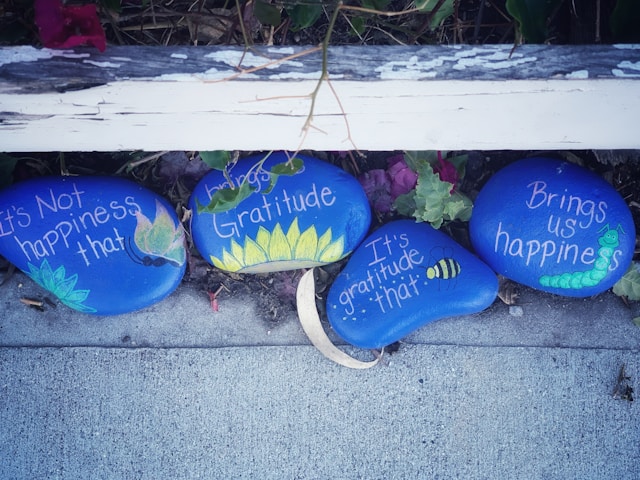
*This page may include affiliate links; that means we earn from qualifying purchases of products. |
When was the last time you felt or expressed gratitude? For many of us, a sense of gratitude doesn’t come naturally. This is partly because we’re all wired toward a negativity bias—the tendency to focus more on negative experiences than positive ones (Vaish et al., 2008).
|
However, it’s worth working against this tendency. Cultivating an attitude of gratitude can boost happiness, strengthen relationships, and improve health. In this article, we’ll look into the science of gratitude, exploring its benefits and offering practical tips on incorporating grateful practices into your daily routine.
Are You a Therapist, Coach, or Wellness Entrepreneur?
Grab Our Free eBook to Learn How to
Grow Your Wellness Business Exponentially!
✓ Save hundreds of hours of time ✓ Earn more $ faster
✓ Boost your credibility ✓ Deliver high-impact content
What Is Gratitude? (A Definition)
Gratitude Synonyms (Gratitude Words)
- Appreciation
- Thankfulness
- Gratefulness
- Acknowledgment
- Recognition
- Fortunate
- Content
- Grace (implies a sense of humility and acceptance)
- Honor (implies a sense of respect and obligation)
- Praise (implies high regard for something or someone)
- Responsiveness (implies a willingness to help others or show appreciation)
- Tribute (implies a public expression of admiration or respect)

Gratitude Benefits
Studies show gratitude positively influences some neural pathways and neurotransmitter systems. Expressing gratitude is associated with increased activity in the brain regions related to reward and pleasure, such as the hypothalamus. Additionally, practicing gratitude is linked to heightened production of neurotransmitters like dopamine and serotonin, contributing to improved mood, reduced stress, and enhanced overall mental well-being (Chowdhury, 2023).
Here’s a breakdown of some of the benefits:
Mental Health
- Reduces depression and anxiety: Studies have shown that gratitude can significantly lower symptoms of depression and anxiety. By focusing on the positive aspects of your life, you shift your perspective away from negativity and cultivate a more optimistic outlook (Pratt, 2023).
- Improves sleep: Gratitude practices like keeping a gratitude journal have been linked to better sleep quality and fewer sleep disturbances. This can be attributed to the calming and positive effects of focusing on what you’re thankful for before bed (Pratt, 2023).
- Boosts happiness and life satisfaction: Gratitude helps you appreciate the good things in your life, big or small, leading to increased feelings of happiness and contentment (Sansone & Sansone, 2010).
Physical Health
Research suggests that practicing gratitude can have many positive effects on physical health (American Heart Association, 2023). These include:
- Heart health: Research suggests that gratitude can positively impact heart health by reducing stress hormones and improving sleep, both of which are beneficial for cardiovascular health.
- Stronger immune system: Some studies indicate that gratitude might boost the immune system, potentially making you less susceptible to illness.
- Encourages healthy habits: Grateful people are more likely to engage in healthy behaviors like regular exercise and healthy eating, further contributing to their physical well-being (Hill et al., 2013).
Social Benefits
- Strengthens relationships: Expressing gratitude helps create stronger connections and deeper bonds. Thanking someone for their emotional support, kindness, or simply their presence shows appreciation and strengthens your relationship (Caputo, 2015).
- Increases prosocial behavior: Grateful people are more likely to be helpful, compassionate, and forgiving towards others, creating a more positive social environment (Caputo, 2015).
Overall Well-Being
Many studies indicate that gratitude is associated with a sense of well-being (Sansone & Sansone, 2010). Gratitude can:
- Increases resilience: Gratitude helps you cope with challenges and setbacks by focusing on the positive aspects of your life. It helps you to see the bigger picture during difficult times (Pratt, 2023).
- Enhances self-esteem: Recognizing and appreciating your own strengths and accomplishments can boost your confidence and self-worth (Pratt, 2023).
- Promotes a sense of purpose and meaning: Gratitude can help you connect with something larger than yourself, fostering a sense of purpose and meaning in life.
Video: The Science of Gratitude
Gratitude Examples
- Writing a thank-you note: Taking the time to express your gratitude in a heartfelt way.
- Offering help: Returning the favor or doing something kind for someone who has been there for you.
- Acknowledging someone’s efforts: Recognizing and appreciating the contributions of others. This could be done publicly, such as in a speech or on social media.
- Showing your love and affection: Spending quality time with loved ones or simply letting them know you care.
Gratitude Toward Yourself
- Appreciating your strengths and talents: Recognizing and valuing your unique positive qualities, abilities, and accomplishments.
- Practicing self-care: Taking time for activities that nourish your mind, body, and spirit.
- Forgiving yourself: Acknowledging your mistakes and learning from them without dwelling on them.
- Celebrating your successes: Taking pride in your achievements, big or small.
- Being grateful for your health: Appreciating your physical and mental well-being.
Gratitude Toward the World Around You
- Appreciating nature: Taking time to enjoy the beauty of the natural world, even in small ways.
- Finding joy in the simple things: Taking pleasure in everyday experiences, like a warm cup of coffee or a good laugh.
- Contributing to your community: Volunteering your time or resources to make a positive impact.
Gratitude Practices
- Gratitude Journaling: Gratitude journaling is simply regularly writing down things you’re thankful for. This practice helps you focus on positive aspects of your life and encourages a mindset of appreciation.
- Mindful Appreciation: Mindful appreciation is the practice of being fully present and attentive to positive experiences in your daily life. It involves consciously savoring and expressing gratitude for the current moment.
- Gratitude Meditation: Gratitude meditation is a mindfulness practice where you intentionally focus your thoughts on things you are grateful for. It often involves deep breathing and cultivating a sense of appreciation.
- Gratitude Affirmations: Gratitude affirmations are positive statements that emphasize thankfulness and appreciation. By repeating these positive affirmations, we’re able to shift our mindset towards gratitude and foster a more positive outlook.
- Gratitude Walk: When you take a gratitude walk, you consciously focus on things in your surroundings that you are grateful for. The added bonus is that it combines physical activity with gratitude, promoting a sense of well-being.
- Gratitude Jar: A gratitude jar is any physical container, typically a glass or decorative jar, where you can store notes or small items that represent things you’re thankful for. At the end of each week, add 3 gratitude notes (write the date on them so you have better context when you review them). Every full moon, grab a handful of the notes and reflect on the abundance in your life.
Gratitude Notes
Here are some tips:
- Be specific: Instead of just saying “thank you,” mention what you are specifically grateful for. This shows the person that you truly appreciate their efforts.
- Focus on the other person: Focus on their positive qualities and actions more than how they made you feel.
- Explain how it impacted you: Share how their actions or words have positively impacted your life. This makes the note more meaningful and heartfelt.
- Add a personal touch: Mention a specific memory or anecdote that relates to your gratitude. This personalizes the note and strengthens the connection.
Gratitude Note Example
Here is an example of a gratitude note so you can se how one might look:
Dear Name,
I just wanted to take a moment to express my heartfelt gratitude for everything you have done for me throughout our friendship. Your kindness, support, and guidance have had a profound impact on my life.
I remember when we first met, I was going through a difficult time. You listened to me without judgment and offered your unwavering support. Your empathy and understanding helped me get through that tough period, and I’m grateful for your presence in my life.
I’m also inspired by your wisdom and generosity. You always seem to know the right words to say and the best advice to give. Your positive outlook on life has rubbed off on me, and I am a better person because of it.
Thank you for being such a wonderful friend. I cherish your friendship and hope that it will last for many years to come.
With love and gratitude,
Your Name

Gratitude Meditation
Here’s a simple one you can try:
- Start with a few deep breaths in through your nose and out through your mouth. Do your best to relax your body as you breathe. Let your shoulders fall away from your ears. Notice anywhere you are holding tension and try to release it with each breath.
- After you’ve taken about 10 breaths, start to think about the things in your life that you are grateful for. These could be big or small, recent or long-standing. Consider aspects such as your health, loved ones, a beautiful sunset, a delicious meal, or a recent act of kindness.
- As you reflect, try to engage your senses. Imagine the sights, sounds, smells, tastes, and feelings associated with these things. Feel the emotions of gratitude welling up within you.
- Mentally or verbally express your gratitude. For example, you might say something like, “I am grateful for my good health,” or “I appreciate the love and support of my family.”
- Bring your attention back to the present moment and the sensations in your body. Notice how gratitude makes you feel. For example, you might notice warmth, happiness, or a sense of contentment.
- Continue to reflect on and express gratitude for as many things as you like. You can do this for a specific period, such as 10-15 minutes, or for as long as you feel comfortable.
- When you’re ready to conclude, take a few more deep breaths. Thank yourself for taking the time to practice gratitude and remind yourself that you can return to this feeling of thankfulness at any time.
Gratitude List
Gratitude List Examples
Simple:
- My healthy body.
- The warm sun on my face.
- A delicious cup of coffee.
- A good night’s sleep.
- A kind stranger’s smile.
Specific and Detailed:
- My friend who listened to me vent for an hour.
- The smell of ocean air.
- The sound of my children’s laughter.
- The opportunity to learn a new skill.
Focusing on the Positive:
- The challenge that helped me grow stronger.
- The setback that led to a new opportunity.
- The rainy day that allowed me to catch up on reading.
- The disagreement that sparked a deeper understanding.
- The mistake that taught me a valuable lesson.

Gratitude Affirmations
Here are a few examples:
- “I am grateful for my health and the ability to experience life fully.”
- “I appreciate the love and support of my family and friends.”
- “I am thankful for the opportunities to learn and grow each day.”

Articles Related to Gratitude
Books Related to Gratitude
Final Thoughts on Gratitude
Remember, gratitude is not just about feeling positive emotions. It’s also about cultivating a mindset of appreciation and thankfulness that carries us through the ups and downs of life. By embracing gratitude, we open ourselves up to a world of possibilities and create a foundation for greater happiness and peace.
Don’t Forget to Grab Our Free eBook to Learn How to
Grow Your Wellness Business Exponentially!
References
- American Heart Association. (2023b, December 20). Thankfulness: How gratitude can help your health. www.heart.org.
- Caputo, A. (2015). The relationship between gratitude and loneliness: The potential benefits of gratitude for promoting social bonds. Europe’s journal of psychology, 11(2), 323.
- Chowdhury, M. R. (2023, October 3). The neuroscience of gratitude and effects on the brain. PositivePsychology.com. https://positivepsychology.com/neuroscience-of-gratitude/
- Hill, P. L., Allemand, M., & Roberts, B. W. (2013). Examining the pathways between gratitude and self-rated physical health across adulthood. Personality and individual differences, 54(1), 92-96.
- Pratt, M. (2023, November 15). The Science of Gratitude. Mindful. https://www.mindful.org/the-science-of-gratitude/
- Sansone, R. A., & Sansone, L. A. (2010). Gratitude and well being: the benefits of appreciation. Psychiatry (edgmont), 7(11), 18.
- Vaish, A., Grossmann, T., & Woodward, A. (2008). Not all emotions are created equal: the negativity bias in social-emotional development. Psychological bulletin, 134(3), 383.
Are You a Therapist, Coach, or Wellness Entrepreneur?
Grab Our Free eBook to Learn How to Grow Your Wellness Business Fast!
