
Anti-Inflammatory Foods: Definition, List, & Plans
Anti-inflammatory foods reduce inflammation in your body, protecting your health and making you feel better. Here’s how to get more of them in your diet.
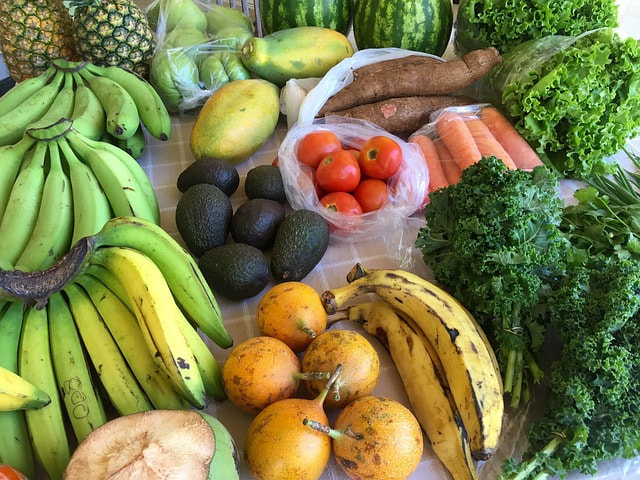
*This page may include affiliate links; that means we earn from qualifying purchases of products. |
I once worked with a therapy client who had great difficulty eating most foods. There is a diagnosis associated with this condition, which is often very challenging for the people who live with it. Our work together consisted of food exposures—quiet, difficult sessions in which he deliberately worked at eating foods (almost any fruit, vegetable, or nut) toward which he had a visceral fear and physical aversion.
|
So what are those anti-inflammatory foods my client would have benefited from eating more of, and how can you incorporate them into your diet to gain the health benefits associated with them? Let’s see what the scientific literature has to say about anti-inflammatory foods.
Are You a Therapist, Coach, or Wellness Entrepreneur?
Grab Our Free eBook to Learn How to
Grow Your Wellness Business Exponentially!
✓ Save hundreds of hours of time ✓ Earn more $ faster
✓ Boost your credibility ✓ Deliver high-impact content
What Are Anti-Inflammatory Foods? (A Definition)
Let’s first get clear on what inflammation is. Inflammation is our bodily response to an outside threat (Sears, 2015). By increasing the amount of blood and activity in certain parts of the body, our immune system tries to protect us against infection and facilitate healing of any injuries we may have. While we need this process to maintain health and recover from wounds or illnesses, we do not want to stay inflamed beyond the period needed to heal. This is because if our inflammation does not resolve, or if we become overly inflamed at first, we risk remaining in a state of chronic inflammation, which damages the cells in our body over time and leads to the development of chronic medical conditions.
Our ability to regulate and resolve our immune response is driven in part by certain hormones and proteins, and these key ingredients are found in certain foods (Sears, 2015). Thus, anti-inflammatory foods are foods that support the resolution of inflammation in our bodies by providing us with those essential ingredients. At the same time, other foods can activate inflammatory responses in our bodies. So, as humans, we have the ability to determine a lot about how well (or harmfully) our immune systems function simply by making choices to eat anti-inflammatory or pro-inflammatory foods (Sears, 2015).
Opposite of Anti-Inflammatory Foods
The opposite of anti-inflammatory foods are foods that cause or increase inflammation in the body (Koebnick et al., 2018). Unfortunately, the diet typically followed by most Americans is rife with inflammatory foods (Totsch et al., 2018)—more on this in a little bit. For now, it is important to know that eating inflammatory foods has severe health consequences over time (Koebnick et al., 2018). For example, a diet full of inflammatory foods makes it harder for us to recover from injury, while a diet rich in anti-inflammatory foods can speed up our recovery from injury (Totsch et al., 2018). This effect is pronounced enough that some scholars consider eating anti-inflammatory foods to be an effective intervention against conditions such as chronic pain (Totsch et al., 2018).

Benefits of Anti-Inflammatory Foods
The primary benefit of anti-inflammatory foods is that they decrease the amount of inflammatory cytokines, or substances secreted by our immune systems during an inflammatory response (Mayr et al., 2018). Over time, this may mean we are less likely to develop chronic medical conditions such as diabetes or that we will experience less severe symptoms of these medical conditions. For example, other researchers have shown that switching away from pro-inflammatory foods and toward anti-inflammatory foods is associated with weight loss and lowered risk of heart attack (Zwickey et al., 2019).
Furthermore, inflammation seems to be implicated in the development and severity of mental health disorders. For example, people who eat more pro-inflammatory foods are at increased risk of experiencing depression, compared to people eating an anti-inflammatory diet (Lv et al., 2022; Tolkien et al., 2019).
As we can clearly see, there are substantial health benefits to eating anti-inflammatory foods—primarily, reduced risk for and severity of mental and physical health problems. If you would like more information about the health benefits of an anti-inflammatory diet, you can watch this video:
Video: The Benefits of an Anti-Inflammatory Diet
Examples of Anti-Inflammatory Foods
Okay, so what are some anti-inflammatory foods? One study found that the three foods with the strongest anti-inflammatory properties were garlic, olive oil, and sweet potatoes (Dilly et al., 2020). Other studies point to the healing properties of fermented foods, such as fermented milk, sometimes called kefir (Kaizu et al., 1993; Sirirat & Jelena, 2010).
In addition to these foods, herbs and spices such as turmeric, ginger, and saffron have anti-inflammatory effects (Vahid & Rahmani, 2021). For more examples, let’s look at the broader picture, considering what an anti-inflammatory diet plan might look like.
Anti-Inflammatory Diet Plan
Scientists have developed anti-inflammatory diet plans with the specific goal of targeting chronic health problems such as irritable bowel syndrome (Campmans-Kuijpers & Dijkstra, 2021). They have also identified naturally occurring diets such as the Mediterranean diet, which is eaten by people living on the northern shore of the Mediterranean Sea, that just happen to be anti-inflammatory and have good health results (Dinu et al., 2018).
Broadly speaking, an anti-inflammatory diet focuses on the consumption of vegetables, fruits, legumes and nuts, plain dairy, and lean meat, such as chicken and fish (Campmans-Kuijpers & Dijkstra, 2021). An anti-inflammatory diet also prioritizes the use of monounsaturated fats, such as olive oil, instead of less healthy oils, such as canola or vegetable oil. People who adhere to a diet such as this experience lower rates of cancer, heart disease, diabetes, and cognitive decline (Dinu et al., 2018).
Why are these foods anti-inflammatory? Many of them contain high levels of key micronutrients, such as vitamins and fatty acids, and phytochemicals, or chemicals produced by plants to protect themselves from invasion and infection (Dinu et al., 2018). The same applies to herbs and spices: Some of them harbor key compounds that protect against stress in our bodies (Srinivasan, 2014). The more of them we eat, the less likely we are to show signs of inflammation in our bodies and the lower our blood sugar levels will be.

Anti-Inflammatory Meal Ideas
Breakfast. One key change you can make at breakfast is to use fermented dairy or non-dairy yogurt or milk. Another is to incorporate as many nuts, seeds, and berries into your meal as possible. You might also consider moving away from highly processed cereals with added sugar or highly processed breads to simpler, more whole grain options. So for example, a breakfast meal that would be very high in anti-inflammatory nutrients would consist of a bowl of oatmeal sweetened with blueberries (rather than sugar) and flavored with nuts and seeds. You could also make overnight oats by combining these ingredients with fermented dairy such as kefir or an unsweetened yogurt high in probiotics.
Lunch and dinner. An anti-inflammatory main meal should get its protein from non-red meat sources, such as beans or lentils, chicken, or fish. Salmon in particular is recommended as an anti-inflammatory meat choice. Starchy foods such as potatoes or pasta can be inflammatory but are much less so if the pasta is whole grain or the potatoes are cooked without adding oil and salt. An ideal anti-inflammatory main course includes multiple vegetables and a variety of spices. Vegetables such as bell peppers, onions and garlic, and spinach might give you the most anti-inflammatory bang for your buck.
So for lunch, you might have a curry with chickpeas and vegetables paired with brown, not white, rice. (Those spices that make your eyes water might be helping the rest of you feel less stressed!) And for dinner, you could try salmon with whole grain pasta and broccoli, peppers, mushrooms, onions, and garlic stir-fried in olive oil.
Snacks. Fruits may be your best bet for an anti-inflammatory snack. Eating a banana, apple, or pear when you want a little boost will be far better for you than a processed food with added sugar.
Finally, there are many teas with anti-inflammatory properties, such as English breakfast tea. Adding ingredients such as cinnamon and cloves to your tea could further boost its anti-inflammatory benefits (Gunawardena et al., 2014).
Anti-Inflammatory Diet and What to Avoid
I’ve been hinting so far at what foods increase inflammation and are therefore important to avoid, but now it’s time to dive in. The biggest culprit may very well be red meats such as beef and pork (Dilly et al., 2020), but if that is the case, then refined sugars and carbohydrates come in a close second (Esposito et al., 2002). Each of these foods increases the presence of inflammatory chemicals in our bodies, making it harder for our bodies to keep us healthy.
In the case of sugars, this is because eating lots of easily digested (also known as “simple”) sugars boosts our glycemic load. This means you feel really good as your body is filled with energy, but handling this sudden energy spike also takes a toll on the body (Esposito et al., 2002). Eating red meats or other sources of unhealthy fats, such as baked goods full of partially hydrogenated vegetable oils, increases the amount of fat in your bloodstream and boosts inflammation in this way (Mozaffarian & Clarke, 2009).
Red meat, fried potatoes, pastries and doughnuts—these are some of our favorite foods in the US. Unfortunately, they crowd out the anti-inflammatory foods we really need, and this can explain why people who eat far less of this type of food are often far healthier (Nanri et al., 2007).
Anti-Inflammatory Foods on a Budget
I promise you that anti-inflammatory foods will not break the bank. Although they take more time to prepare and eat, anti-inflammatory foods are almost always whole foods that can be purchased affordably and in bulk. For example, simply eating peanuts or bananas as a snack, instead of a sugar-laced protein bar or a handful of potato chips, will almost always cost less and do far more for your well-being.
Anti-Inflammatory Foods for IBS
The anti-inflammatory foods we have been discussing are all helpful for people with irritable bowel syndrome, also known as IBS (Salari-Moghaddam et al., 2019). It is thought that these foods help by reducing inflammation in the gut, specifically.
Anti-Inflammatory Foods for Skin
As an added bonus, many of the compounds in anti-inflammatory foods not only reduce inflammation but also protect against aging throughout the body, including in one’s skin (Nichols & Katiyar, 2010). So for everyone, but especially for my fellow Coloradans, let’s keep in mind that protection against skin cancer includes not only sunscreen but also a diet rich in anti-inflammatory foods.
Anti-Inflammatory Foods for Gut Health
Recent research makes it clear that anti-inflammatory foods have positive effects on our gut microbiota, increasing its diversity and reducing the presence of inflammatory microbiota (Bagheri et al., 2022). While inflamed microbiota put us at risk for obesity and diabetes, those treated to an anti-inflammatory diet set us up for a healthy weight and metabolism (Zwickey et al., 2019).

Articles Related to Anti-Inflammatory Foods
Books Related to Anti-Inflammatory Foods
Final Thoughts on Anti-Inflammatory Foods
If you want to eat more anti-inflammatory foods and are worried about how your diet impacts your well-being, all of this information could be overwhelming. So let’s end by making it simple. If you can, gradually swap out red and processed meats for lean and unprocessed meats. Also start swapping out simple starches like white bread for whole grain or whole wheat options. Add more fruits and vegetables wherever possible. And eliminate added sugar—whether that’s in your peanut butter, your pasta sauce, or your soda—as much as possible (Kanauchi et al., 2019).
And be gentle with yourself along the way. If you live in North America, you likely are surrounded by food systems and marketing that make it harder to obtain, cook, and enjoy anti-inflammatory foods than it should be. But each step you take against that grain could really benefit your overall well-being.
Don’t Forget to Grab Our Free eBook to Learn How to
Grow Your Wellness Business Exponentially!
References
- Bagheri, S., Zolghadri, S., & Stanek, A. (2022). Beneficial effects of anti-inflammatory diet in modulating gut microbiota and controlling obesity. Nutrients, 14(19), 3985.
- Campmans-Kuijpers, M. J., & Dijkstra, G. (2021). Food and food groups in inflammatory bowel disease (IBD): The design of the groningen anti-inflammatory diet (GrAID). Nutrients, 13(4), 1067.
- Dilly, R. D. S., Barretta, C., Matos, C. H., Piasecki, B. T., Scolaro, B. L., Malluta, E. F., . . . & Miranda, C. G. (2020). Nutritional status and consumption of inflammatory and anti-inflammatory foods by patients with inflammatory bowel diseases. Journal of Coloproctology (Rio de Janeiro), 40, 99–104.
- Dinu, M., Pagliai, G., Casini, A., & Sofi, F. (2018). Mediterranean diet and multiple health outcomes: an umbrella review of meta-analyses of observational studies and randomised trials. European Journal of Clinical Nutrition, 72(1), 30–43.
- Esposito, K., Nappo, F., Marfella, R., Giugliano, G., Giugliano, F., Ciotola, M., . . . & Giugliano, D. (2002). Inflammatory cytokine concentrations are acutely increased by hyperglycemia in humans: role of oxidative stress. Circulation, 106(16), 2067–2072.
- Gunawardena, D., Shanmugam, K., Low, M., Bennett, L., Govindaraghavan, S., Head, R., . . . & Münch, G. (2014). Determination of anti-inflammatory activities of standardised preparations of plant- and mushroom-based foods. European Journal of Nutrition, 53, 335–343.
- Kaizu, H., Sasaki, M., Nakajima, H., & Suzuki, Y. (1993). Effect of antioxidative lactic acid bacteria on rats fed a diet deficient in vitamin E. Journal of Dairy Science, 76(9), 2493–2499.
- Kanauchi, M., Shibata, M., & Iwamura, M. (2019). A novel dietary inflammatory index reflecting for inflammatory ageing. Annals of Medicine and Surgery, 47, 44–46.
- Koebnick, C., Black, M. H., Wu, J., Shu, Y. H., MacKay, A. W., Watanabe, R. M., . . . & Xiang, A. H. (2018). A diet high in sugar-sweetened beverage and low in fruits and vegetables is associated with adiposity and a pro-inflammatory adipokine profile. British Journal of Nutrition, 120(11), 1230–1239.
- Lv, X., Sun, S., Wang, J., Chen, H., Li, S., Hu, Y., … & Yao, Y. (2022). Anti-inflammatory dietary diversity and depressive symptoms among older adults: A nationwide cross-sectional analysis. Nutrients, 14(23), 5062.
- Mayr, H. L., Tierney, A. C., Thomas, C. J., Ruiz-Canela, M., Radcliffe, J., & Itsiopoulos, C. (2018). Mediterranean-type diets and inflammatory markers in patients with coronary heart disease: a systematic review and meta-analysis. Nutrition Research, 50, 10–24.
- Mozaffarian, D., & Clarke, R. (2009). Quantitative effects on cardiovascular risk factors and coronary heart disease risk of replacing partially hydrogenated vegetable oils with other fats and oils. European Journal of Clinical Nutrition, 63(2), S22–S33.
- Nanri, A., Moore, M. A., & Kono, S. (2007). Impact of C-reactive protein on disease risk and its relation to dietary factors: literature review. Asian Pacific Journal of Cancer Prevention, 8(2), 167.
- Nichols, J. A., & Katiyar, S. K. (2010). Skin photoprotection by natural polyphenols: anti-inflammatory, antioxidant and DNA repair mechanisms. Archives of Dermatological Research, 302, 71–83.
- Salari-Moghaddam, A., Keshteli, A. H., Esmaillzadeh, A., & Adibi, P. (2019). Adherence to the pro-inflammatory diet in relation to prevalence of irritable bowel syndrome. Nutrition Journal, 18, 1–10.
- Sears, B. (2015). Anti-inflammatory diets. Journal of the American College of Nutrition, 34(sup1), 14–21.
- Sirirat, D., & Jelena, P. (2010). Bacterial inhibition and antioxidant activity of kefir produced from Thai jasmine rice milk. Biotechnology, 9(3), 332-337.
- Srinivasan, K. (2014). Antioxidant potential of spices and their active constituents. Critical Reviews in Food Science and Nutrition, 54(3), 352–372.
- Tolkien, K., Bradburn, S., & Murgatroyd, C. (2019). An anti-inflammatory diet as a potential intervention for depressive disorders: A systematic review and meta-analysis. Clinical Nutrition, 38(5), 2045–2052.
- Totsch, S. K., Meir, R. Y., Quinn, T. L., Lopez, S. A., Gower, B. A., & Sorge, R. E. (2018). Effects of a Standard American Diet and an anti‐inflammatory diet in male and female mice. European Journal of Pain, 22(7), 1203–1213.
- Vadell, A. K., Bärebring, L., Hulander, E., Gjertsson, I., Lindqvist, H. M., & Winkvist, A. (2020). Anti-inflammatory Diet In Rheumatoid Arthritis (ADIRA)—a randomized, controlled crossover trial indicating effects on disease activity. The American Journal of Clinical Nutrition, 111(6), 1203–1213.
- Vahid, F., & Rahmani, D. (2021). Can an anti-inflammatory diet be effective in preventing or treating viral respiratory diseases? A systematic narrative review. Clinical Nutrition ESPEN, 43, 9–15.
- Zwickey, H., Horgan, A., Hanes, D., Schiffke, H., Moore, A., Wahbeh, H., . . . & Purnell, J. Q. (2019). Effect of the anti-inflammatory diet in people with diabetes and pre-diabetes: a randomized controlled feeding study. Journal of Restorative Medicine, 8(1).
Are You a Therapist, Coach, or Wellness Entrepreneur?
Grab Our Free eBook to Learn How to Grow Your Wellness Business Fast!
