
Self Actualization: Definition, Needs, Examples, and Tips
What is self-actualization and why do we have the need to become self-actualized? Maslow’s hierarchy of needs tells us why and when self-actualization matters to us.

*This page may include affiliate links; that means I earn from qualifying purchases of products.
What Is Self Actualization? (A Definition)
|
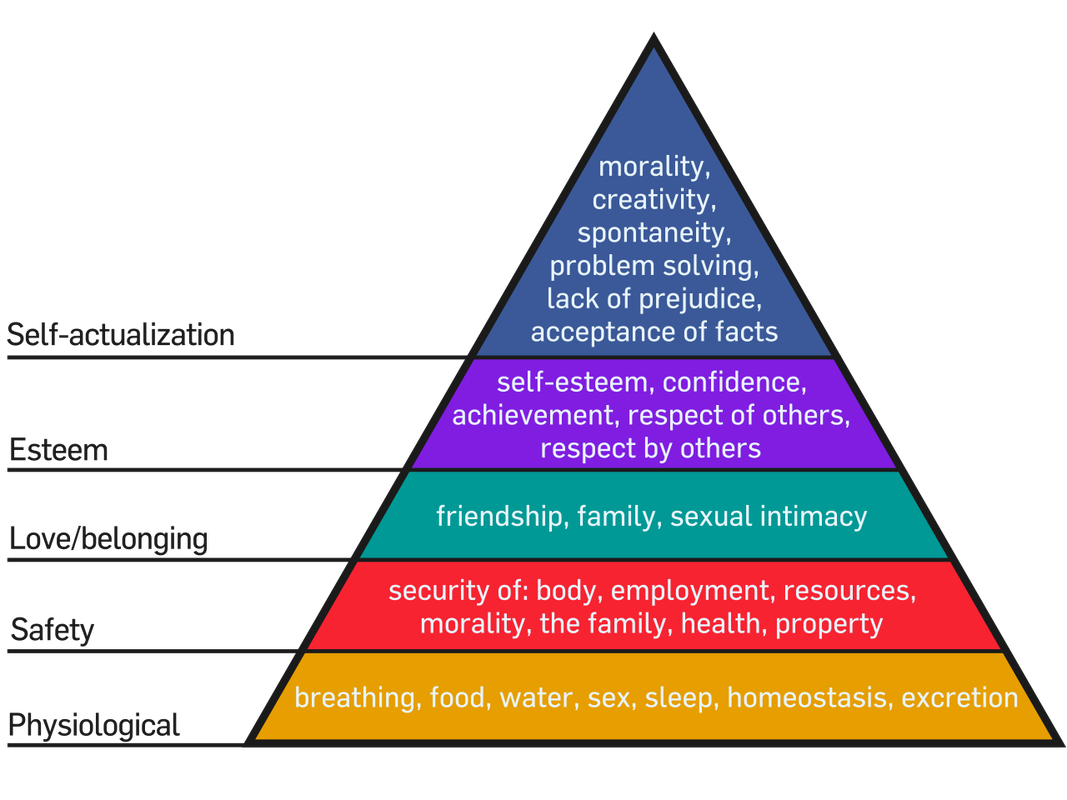
What few people know is that in Maslow’s last book before he died, he actually revised his theory of self-actualization. He suggests that the highest form of self-actualization actually transcends the self. We then strive to be selfless and contribute to something purposeful that is greater than ourselves (Greene, & Burke, 2007). This is also referred to as “Beyond Self-Actualization” or “Transcendence”. |
|
Self Actualization Needs
Are You a Therapist, Coach, or Wellness Entrepreneur?
Grab Our Free eBook to Learn How to
Grow Your Wellness Business Exponentially!
✓ Save hundreds of hours of time ✓ Earn more $ faster
✓ Boost your credibility ✓ Deliver high-impact content
Is Self-Actualization Actually About the Self?
Self-actualization—or peak human experience—actually involves moving our focus from self to others. We may develop motivations for social justice, kindness, or generosity. Or, we have some sort of calling or desire to do good for others. This even-more-fulfilling version of self-actualization is sometimes called “selfless-actualization” (Greene, & Burke, 2007).
Self Actualization: Definition, Needs, Examples, and Tips
What Is Selfless Actualization?
Examples of Selfless-Actualization
- The desire to make bad situations better
- The desire to reward and praise others
- The belief in fairness and equal opportunity for all
Why Use This Definition of Self-Actualization?
Other research shows that valuing your own happiness and obsessively focusing on it has paradoxical effects. That is, focusing on your own happiness can make you less happy (Mauss, Tamir, Anderson, & Savino, 2011).
Plus, a whole body of research that continues to gain momentum shows that prosocial behavior—or voluntary actions that are intended to help or benefit others—is fantastic for well-being (e.g., Layous et al., 2012). Kindness, generosity, and altruism often result in peak experiences and enhanced well-being. All this suggests that self-actualization can more readily be achieved by shifting our focus onto how we can benefit others.
Video: Basic Overview of Self-Actualization
How to Become Self-Actualized
Now that you understand the more modern definition of self-actualization, we’ll talk about some tips for becoming self-actualized. Some of these are derived from Maslow’s work and others are from more recent research on personal growth, well-being, prosocial behavior, and goal achievement. Try out some of these self-actualization tips to explore what feels right to you.
1. Cultivate Openness and Creativity
2. Reflect on Your Values, Morals, and Ethics
This is where I think a lot of us get lost. We pursue goals that our society or culture deems important. Then when we reach them, we wonder why we’re not happy. It’s because we didn’t take the time to reflect on whether these goals fit us and our beliefs. If I become a millionaire but money is not important to me then I may be successful but not self-actualized. If I rush to get married to the first person I can find, but I truly value love, then I may have achieved my goal but still be unsatisfied.
So if you have a moment, pause to reflect on these questions:
- Am I living in alignment with my values, morals, and ethics?
- Am I focusing on myself at the expense of others?
- Are my goals truly authentic, or are they influenced by external forces like my culture, society, or family?
- How can I better live in alignment with my values, morals, and ethics?
By pondering these questions, you can better assure that your efforts to self-actualize are effective.

3. Move Beyond Love & Esteem Needs
Now, there is nothing wrong with being motivated to fulfill these needs. They are absolutely essential, even more essential than self-actualization. In fact, Maslow would argue that we are not motivated to pursue self-actualization until these other needs are met. But this study highlighted how difficult it is to understand and achieve true self-actualization. Even I am currently pursuing esteem needs—needs like self-esteem, freedom, and respect. The truth is that reaching the point where we are motivated to self-actualize can take quite a bit of time, reflection, and effort.

An Alternative Perspective on Self-Actualization
One such theory is Ryff’s theory of psychological well-being (Ryff, 1989). This theory aims to incorporate older theories, including Maslow’s theory of self-actualization, and conduct research to determine which parts of the theory are supported by evidence. This synthesis resulted in six needs or experiences that contribute to optimal experience (or well-being).
The six characteristics of optimal experience include:
- Positive relations with others. Warm, trusting, loving relationships with others.
- Self-acceptance. Holding positive attitudes towards the self.
- Autonomy. Being able to choose and direct one’s own behavior.
- Environmental mastery. One’s ability to advance in the world and know that one can change one’s circumstances with effort.
- Personal growth. The ability to develop, grow, and expand as a person.
- Life purpose. Having a mission or sense of direction.
This theory includes love/belonging needs, esteem needs, and self-actualization needs, but this theory doesn’t suggest a hierarchy. We can pursue these needs simultaneously or intermittently. Or, we may focus on one need over another due to a relative lack of one need versus another.
For example, you may be more likely to pursue autonomy if you’re feeling trapped or pursue love if you’re feeling lonely. But according to this theory, you don’t need to have love or self-esteem before you can experience other important life experiences like personal growth or life purpose. For these reasons, I believe this theory offers a much more accurate description of how humans actually going about becoming self-actualized.
More Tips for Achieving Self-Actualization
- Live authentically. A huge part of becoming our best selves is knowing first what that best self is. Each of us is different and we strive to achieve different goals. By choosing to live more authentically, we are more likely to pursue the things that matter to us.
- Practice Kindness. Peak experiences often involve doing something meaningful for someone else. So try to find ways that you want to be kind and give back to your friends, family, community, country, or world.
- Pursue your purpose. A fulfilling purpose is often other-focused and personally meaningful. Don’t know your purpose? That’s okay. Here are some tips for finding your life purpose.

Activities for Achieving Self-Actualization
Here’s Some Calm Music to Aid a Self-Actualization Meditation
Articles Related to Self-Actualization
- How to Change: 6 Science-Based Tips & Strategies
- Self-Improvement: 45 Tips, Goals, and Ideas for Self-Growth
- Self-Motivation: Definition, Examples, and Tips
- Self-Determination: Definition, Theory, & Examples
- Quotes About Change: In Life, The World, & Yourself
- Self-Realization: Definition, Benefits, & Examples
Books Related to Self-Actualization
Final Thoughts on Self-Actualization
Self-actualization and selfless-actualization may be life-long pursuits. They require deep reflection and effort. But they are worth it because they are what creates optimal life experience and well-being.
Don’t Forget to Grab Our Free eBook to Learn How to
Grow Your Wellness Business Exponentially!
References
- Greene, L., & Burke, G. (2007). Beyond self-actualization. Journal of Health and Human Services Administration, 116-128.
- Ingram, R. E. (1990). Self-focused attention in clinical disorders: review and a conceptual model. Psychological bulletin, 107(2), 156.
- Krems, J. A., Kenrick, D. T., & Neel, R. (2017). Individual perceptions of self-actualization: What functional motives are linked to fulfilling one’s full potential?. Personality and Social Psychology Bulletin, 43(9), 1337-1352.
- Layous, K., Nelson, S. K., Oberle, E., Schonert-Reichl, K. A., & Lyubomirsky, S. (2012). Kindness counts: Prompting prosocial behavior in preadolescents boosts peer acceptance and well-being. PloS one, 7(12), e51380.
- Mauss, I. B., Tamir, M., Anderson, C. L., & Savino, N. S. (2011). Can seeking happiness make people unhappy? Paradoxical effects of valuing happiness. Emotion, 11(4), 807.
- Ryff, C. D. (1989). Happiness is everything, or is it? Explorations on the meaning of psychological well-being. Journal of personality and social psychology, 57(6), 1069.
Are You a Therapist, Coach, or Wellness Entrepreneur?
Grab Our Free eBook to Learn How to Grow Your Wellness Business Fast!
