
Monosodium Glutamate: History & Side Effects
Unpack the essence of MSG: its origins, benefits, and myths. Learn about its natural presence in foods, and get a balanced perspective on this flavor enhancer.
*This page may include affiliate links; that means we earn from qualifying purchases of products. |
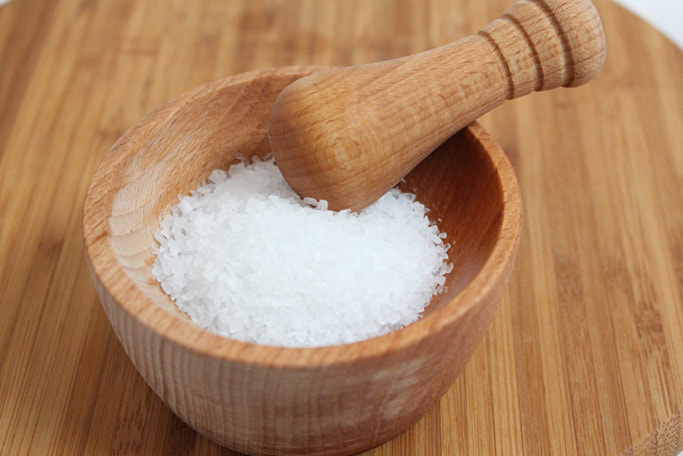
Ever heard of monosodium glutamate (MSG) and found yourself spiraling down a rabbit hole of debates and controversies? Welcome to the fascinating world of MSG, three letters that stir up as much excitement as they do confusion. This little white powder isn’t just a seasoning; it’s a story—a tale of flavor, science, and a bit of drama.
Some say it’s a secret weapon for mouthwatering dishes, while others treat it |
like a culinary villain. But what’s the real scoop on MSG? Let’s dive into its savory depths, debunk some myths, and discover how this ingredient became both a hero and a suspect in our kitchens.
Are You a Therapist, Coach, or Wellness Entrepreneur?
Grab Our Free eBook to Learn How to
Grow Your Wellness Business Exponentially!
✓ Save hundreds of hours of time ✓ Earn more $ faster
✓ Boost your credibility ✓ Deliver high-impact content
What Is Monosodium Glutamate? (A Definition)
How can we define MSG? MSG often finds itself at the center of many kitchen debates: Is it an ingredient for chefs or a no-go for health-conscious eaters? This white crystalline powder carries with it a big reputation.
For many, MSG is synonymous with enhancing the savory goodness in foods—think of that extra “oomph” in your favorite takeout. However, it’s also wrapped in myths and misconceptions, leading to a rollercoaster of love and skepticism over the years. Understanding MSG isn’t just about the science; it’s about unraveling the cultural tapestry and the diverse perspectives that surround this particular ingredient.
Monosodium Glutamate Seasoning: The Insider’s Guide to Umami and Kokumi
The Umami PhenomenonLet’s dish on umami first. It’s like the cool, mysterious character in the world of tastes, joining the classic squad of sweet, sour, salty, and bitter. Coming from the Japanese word that means a “yummy savoriness,” umami is that depth and richness you taste in foods like sun-dried tomatoes, perfectly aged cheese, or a splash of soy sauce in your stir fry. MSG steps up as the maestro in this umami concert, making the flavors really pop (Yamamoto & Inui-Yamamoto, 2023).
Kokumi: The Flavor Amplifier
But hold on, there’s a twist! Kokumi might be the new kid on the block, but it’s a game-changer. It’s not exactly a taste but more of a feel—like the bass in your favorite tune. Kokumi is all about richness and complexity, turning up the dial on the flavors it hangs out with. It’s the unsung hero that gives your food that full, lip-smacking satisfaction. When MSG enters the scene, it’s like a flavor booster, making everything it touches taste richer and more complete (Yamamoto & Inui-Yamamoto, 2023).
Umami and Kokumi: The Perfect Pair
Picture umami and kokumi as the ultimate taste tag team. Umami lays down the savory beat, and kokumi swoops in to amp it up. Together, they’re like a flavor-enhancing dream team, making every bite more intense and enjoyable. It’s like cranking up the volume on your favorite track: Everything just gets more vivid and exciting.
A Little Food Science
Here’s the geeky part: When you sprinkle a bit of MSG on your food, it’s like sending a VIP invite to your taste buds that says, “Get ready for epic taste.” But MSG isn’t just a one-trick pony. It also helps other flavors latch onto their respective taste receptors better. That’s kokumi for you, elevating not just umami but the whole flavor profile of your dish.

Cooking with Monosodium Glutamate: Chef’s Little Secret
Ever wonder how chefs make their dishes taste so incredible? MSG is often their stealthy sidekick. A little dash can turn an ordinary meal into a gourmet experience. It’s like a flavor fairy dust for soups, sauces, and marinades, boosting the natural tastes without stealing the show. The trick is to find that sweet spot where everything on your plate comes together in perfect harmony.
Monosodium Glutamate History
In 1908, a Japanese scientist named Kikunae Ikeda embarked on a quest to uncover the secret behind the delicious flavor of kombu seaweed broth (Sano, 2009). His curiosity and scientific expertise led him to isolate a compound responsible for this distinctive taste. He identified it as L-glutamate, a type of amino acid, and recognized its unique flavor profile, which he named “umami”—a term now celebrated as the fifth basic taste alongside sweet, sour, salty, and bitter.
This groundbreaking discovery was pivotal, laying the foundation for MSG. MSG replicated the umami taste, allowing it to be added to various dishes to enhance their flavor.
Video: History of Umami and MSG
How Monosodium Glutamate Is Made
After the fermentation process, it’s time to bring in some sodium to the glutamic acid that leads to the production of MSG.

Monosodium Glutamate in Food
- Packaged snacks: Yes, that irresistible umami punch in chips, crackers, and flavored nuts often owes its zing to MSG. It’s like a little fairy dust sprinkled in to take the flavor from good to “can’t stop eating.”
- Seasoning blends and sauces: From your go-to chicken seasoning to that bottle of soy sauce in your fridge, MSG is often a key player. It brings out the best in spices and herbs, giving sauces and seasonings a depth and complexity that’s hard to beat.
- Frozen and canned foods: Ever wonder why frozen dinners or canned soups still taste pretty decent despite their long shelf life? You guessed it: MSG is often in the mix, helping these foods maintain a rich flavor.
- Fast food: Many fast food joints rely on MSG to amp up the taste of their offerings. From fried chicken to burgers, it’s a quick and easy way to ensure consistency and deliciousness, bite after bite.
- Marinades and rubs: When it comes to marinating meats or preparing spice rubs, MSG is a go-to. It helps bring out the meat’s natural flavors, making every bite juicier and more satisfying.
- Asian cuisines: In many Asian dishes, particularly Chinese, Japanese, and Korean, MSG is a staple ingredient. It enhances the natural flavors of dishes like stir-fries, soups, and broths, making them utterly mouthwatering.
- Vegetable dishes: Believe it or not, MSG isn’t just for meats. It can work wonders on vegetables too, giving dishes like stir-fried veggies or creamy casseroles an extra oomph.
What’s interesting about MSG is its ability to elevate the natural flavors in food without overpowering them. It’s like having a supportive friend in the kitchen that knows exactly how to make each ingredient shine. It’s particularly adept at enhancing meaty, savory flavors, which is why it’s so prevalent in broths, soups, and meat dishes.
Monosodium Glutamate Food Sources
- Beef, pork, and chicken: These staples contain glutamate levels ranging from modest to moderate, enhancing their natural flavors.
- Seafood: Tuna, salmon, oysters, and sea urchins boast significantly higher glutamate levels, with oysters and sea urchins at the higher end of the scale.
- Vegetables: Tomatoes and potatoes are surprisingly rich in glutamate, making them key ingredients for boosting umami.
- Dairy products: From the low glutamate content in cow’s milk to the high levels in various cheeses, dairy offers a wide range of umami contributions.
- Fermented and cured foods: Soy sauce and cured ham stand out for their exceptionally high glutamate content, offering intense flavor enhancements.
Exploring the world of MSG reveals its dual role as both an added flavor enhancer and a natural component of many beloved foods. Its contribution to the umami taste, a cornerstone of flavor, underscores the depth and richness it brings to our dining experiences.

Effects of Monosodium Glutamate on the Body
Yet when we get carried away and consume it in large amounts, it’s like inviting trouble to a party. Studies in animals have pointed to some not-so-great outcomes, such as weight gain, insulin resistance, and liver issues. In humans, though, it’s a mixed bag of results (Kazmi et al., 2017).
So here’s the scoop on MSG and how our bodies handle it compared to the bodies of our furry friends, the rodents. When rodents get a hefty dose of MSG, they might pack on some pounds or even have liver troubles. But when it comes to us humans, it’s a different story. Our bodies break down MSG in a way that’s not the same as in animal studies. Plus, we generally consume MSG in much smaller amounts than what would cause those issues in animals. This means we can’t just assume what happens in rodents will happen in us too. It’s all about our unique human metabolism and the doses we actually consume (Zanfirescu et al., 2019).
Monosodium Glutamate Side Effects
But here’s the thing: Science hasn’t firmly linked these effects to MSG alone. Some people might be more sensitive to it, sure, but for the majority, MSG doesn’t seem to cause serious trouble when eaten in typical food amounts (Zanfirescu et al., 2019).
Monosodium Glutamate Effects on the Brain
For most people, MSG doesn’t cross the brain’s protective barrier (Hawkins, 2009) or cause neurological issues when consumed in normal amounts found in food. It’s all about balance and moderation.
Monosodium Glutamate as a Neurotoxin
But here’s the twist: Real-world, human-based research hasn’t given those claims much backup. It turns out for most folks MSG isn’t the villain it was made out to be (Fernstrom, 2018). The consensus among scientists today leans more toward MSG being safe when enjoyed like any other seasoning—in moderation.
Video: What Is MSG, and Is It Actually Bad for You?
Is Monosodium Glutamate Carcinogenic?
This whole cancer scare seems to have come from some early animal studies where the furry guys were fed huge amounts of MSG. But the thing is, we humans don’t eat nearly that much MSG (Kayode et al., 2023). Plus, our bodies handle MSG differently than animals. So applying those findings to us is like comparing apples and oranges.
The bigwigs in food safety—think the Food and Drug Administration (2012) and the World Health Organization—have also weighed in on this. They’ve done their homework and looked at all the data, and they’re cool with MSG. They say it’s safe to use in food, as long as we’re not going overboard with it.
So next time you’re munching on something with that delicious MSG umami, don’t sweat the cancer stuff. Science has got your back on this one. Just remember, like with all tasty things, moderation is key.
Is Monosodium Glutamate Addictive?
There is also some experimental design to try to demonstrate the addiction capacities of MSG using laboratory animals (Buzescu et al., 2013). Still, again, for the reasons explained earlier, these studies translate very badly to humans. So while you might find yourself dreaming about that last savory bite, it’s the taste you’re after, not the MSG itself.
Does Monosodium Glutamate Make You Sleepy?
The sleepy vibes might actually be from the cozy satisfaction of a good meal or the specific types of foods you’re eating, rather than the MSG itself. So if you find yourself reaching for a pillow post-lunch, it might not be the MSG’s doing after all.
Monosodium Glutamate Health Benefits
Additionally, MSG may help you feel satisfied sooner (Yeomans, 2023), potentially encouraging you to eat less and opt for healthier portion sizes. This could indirectly support weight management and promote better eating habits, making it a useful ally in the kitchen for more than just taste.
Monosodium Glutamate Substitutes
Other options include soy sauce, yeast extracts, and fish sauce, which can also add depth and richness to your meals without the need for added MSG. These substitutes not only maintain the desired savory taste but also offer a way to experiment with new flavors in your cooking.

Articles Related to Monosodium Glutamate
Books Related to Monosodium Glutamate
Final Thoughts on Monosodium Glutamate
So there you have it: the lowdown on MSG, from its umami-packed beginnings to its role as a kitchen controversy. Whether it’s bringing life to your dishes or sparking debate, MSG is more than just a seasoning; it’s a testament to the complexity of food science and cultural perceptions. Remember, the key to enjoying MSG and its rich, savory goodness lies in balance and understanding. So go ahead, sprinkle on a little knowledge along with your seasonings, and savor the delicious, nuanced world of flavors MSG brings to the table.
Don’t Forget to Grab Our Free eBook to Learn How to
Grow Your Wellness Business Exponentially!
References
- Bera, T. K., Kar, S. K., Yadav, P. K., Mukherjee, P., Yadav, S., & Joshi, B. (2017). Effects of monosodium glutamate on human health: A systematic review. World Journal of Pharmaceutical Sciences, 5(5), 139–144.
- Buzescu, A., Cristea, A. N., Avram, L., & Chiriță, C. (2013). The addictive behaviour induced by food monosodium glutamate. Experimental study. Romanian Journal of Medical Practice, 8(4), 229–233.
- Food and Drug Administration. (2012). Questions and answers on monosodium glutamate (MSG). https://www.fda.gov/food/food-additives-petitions/questions-and-answers-monosodium-glutamate-msg
- Fernstrom, J. D. (2018). Monosodium glutamate in the diet does not raise brain glutamate concentrations or disrupt brain functions. Annals of Nutrition & Metabolism, 73(Suppl. 5), 43–52.
- Hashimoto, S. I. (2017). Discovery and history of amino acid fermentation. Advances in Biochemical Engineering/Biotechnology, 159, 15–34.
- Hawkins, R. A. (2009). The blood-brain barrier and glutamate. The American Journal of Clinical Nutrition, 90(3), 867S–874S.
- Kayode, O. T., Bello, J. A., Oguntola, J. A., Kayode, A. A., & Olukoya, D. K. (2023). The interplay between monosodium glutamate (MSG) consumption and metabolic disorders. Heliyon, 9(9), e19675.
- Kumar, K. (2022, July 1). 11 foods with monosodium glutamate (MSG). MedicineNet. https://www.medicinenet.com/11_foods_with_monosodium_glutamate_msg/article.htm
- Kazmi, Z., Fatima, I., Perveen, S., & Malik, S. S. (2017). Monosodium glutamate: Review on clinical reports. International Journal of Food Properties, 20(Suppl. 2), 1807–1815.
- Jinap, S., & Hajeb, P. (2010). Glutamate. Its applications in food and contribution to health. Appetite, 55(1), 1–10.
- Masic, U., & Yeomans, M. R. (2013). Does monosodium glutamate interact with macronutrient composition to influence subsequent appetite? Physiology & Behavior, 116, 23–29.
- Sano, C. (2009). History of glutamate production. The American Journal of Clinical Nutrition, 90(3), 728S–732S.
- Yamamoto, T., & Inui-Yamamoto, C. (2023). The flavor-enhancing action of glutamate and its mechanism involving the notion of kokumi. NPJ Science of Food, 7(1), 3.
- Yeomans, M. R. (2023). Umami and Satiety. In A. San Gabriel, T. M. Rains, & G. Beauchamp (Eds.), Umami: Taste for health (pp. 101–126). Cham: Springer.
- Yoshida, R., & Ninomiya, Y. (2023). Umami and MSG. In A. San Gabriel, T. M. Rains, & G. Beauchamp (Eds.), Umami: Taste for health (pp. 7–42). Cham: Springer.
- Zanfirescu, A., Ungurianu, A., Tsatsakis, A. M., Nițulescu, G. M., Kouretas, D., Veskoukis, A., . . . & Margină, D. (2019). A review of the alleged health hazards of monosodium glutamate. Comprehensive Reviews in Food Science and Food Safety, 18(4), 1111–1134.
Are You a Therapist, Coach, or Wellness Entrepreneur?
Grab Our Free eBook to Learn How to Grow Your Wellness Business Fast!
