
Neuropsychology: Definition, Research, & History
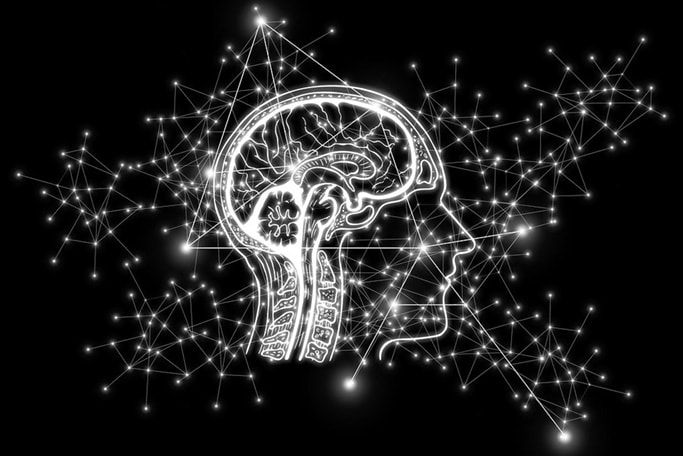
Neuropsychology is the study of how the functioning of our nervous systems – and our brains in particular – is related to our behaviors and thinking.
*This page may include affiliate links; that means we earn from qualifying purchases of products. |
One of the skills that typically distinguishes a clinical psychologist from nearly every other mental health provider is their knowledge of neuropsychology and ability to conduct neuropsychological testing. In the clinical psychology training I received, few tasks were as complex and intensive as neuropsychological testing. To really understand whether a person’s behavior and thinking fall outside what we call the |
When this process is completed with care, thoughtfulness, and thoroughness, the final result is a report documenting how the test subject performs across many measures of cognition and behavior, relative to other people their age. This is a powerful set of knowledge to have. For example, if this testing reveals that you struggle to sustain attention on tasks, make more errors indicating lack of focus than other people do, or respond impulsively to many questions, your ability to regulate your attention may be different enough from that of the average person who takes these tests for the neuropsychologist to say, for example, “You should be diagnosed with ADHD.” These tests can also reveal such an impressive array of high scores that a child or adult may be considered intellectually gifted.
So how do neuropsychologists know what they’re doing? How did this field form? Let’s see what the scientific literature says about the field of neuropsychology.
Are You a Therapist, Coach, or Wellness Entrepreneur?
Grab Our Free eBook to Learn How to
Grow Your Wellness Business Exponentially!
✓ Save hundreds of hours of time ✓ Earn more $ faster
✓ Boost your credibility ✓ Deliver high-impact content
What Is Neuropsychology? (A Definition)
Looking specifically at clinical neuropsychology, as we did earlier when I discussed my own training, we can see how neuropsychology has important implications for medical and psychological care. Clinical neuropsychologists are the providers people are sent to when their cognition or behavior seem unusual, but it is not clear exactly what may be going on or more definitive proof is needed. This is because clinical neuropsychologists are experts in assessment of brain functioning, but also experts in psychopathology and how brain functioning and psychopathology are related (Hessen et al., 2018). A clinical neuropsychologist not only conducts assessments and writes reports, but also often presents the findings, as well as recommendations for supporting the test subject, to family members, other medical providers, teachers, and school administrators. A clinical neuropsychologist therefore must be able to keep in mind a vast body of knowledge about how people’s brains can operate atypically and what to do about it.
Why Is Neuropsychology Important?
I experienced these roles and responsibilities firsthand as a student learning to conduct neuropsychological assessments. For example, I encountered parents who had a hard time believing that their inattentive and rambunctious young children were actually faced with brain-related challenges; they often believed their children were simply being willfully disobedient or lazy. Neuropsychology research has shown that people with Attention-Deficit Hyperactivity Disorder (ADHD) often have brain functioning that looks pretty different from that of people without ADHD – this tells us that people with ADHD may have brains that have a harder time paying attention than the brains of people without ADHD. In other words, their paying attention is far from merely a matter of effort or willpower.

Examples of Neuropsychology
To take one example of where neuropsychology studies the intersection of brain functioning and psychological characteristics, we can look at the concept of executive functioning, sometimes abbreviated as EF (Clancy et al., 2005). EF is a grouping of cognitive skills that, when utilized, make us effective at completing tasks and solving problems. These skills include inhibiting one’s impulses to work on something else, staying focused when distractions come up, and keeping a goal in mind across a task with multiple steps.
While other psychologists might think of executive functioning (EF) as a set of cognitive skills, neuropsychologists think about EF as a set of abilities related to the development and healthy functioning of important regions in the brain – in particular, the prefrontal cortex (Clancy et al., 2005). This is the part of your brain right behind your forehead; it is what allows you to engage in complex kinds of thinking. If a person’s prefrontal cortex does not develop in a typical way, they may have difficulty focusing on and completing important tasks, and lots of research indicates that this has serious implications for their academic and professional success, as well as their emotional well-being (Diamond, 2016). This makes it especially important for neuropsychologists to identify children with challenges in executive functioning and help parents and teachers give them additional support and training (Clancy et al., 2005).
Neuropsychology Disorders
Neuropsychologists focus more on mental health disorders that have a clear component of brain functioning looking different. For example, many neuropsychologists study the effects of traumatic brain injuries (TBI) on people’s cognitive and behavioral functioning (Azouvi et al., 2017). They have found that people who sustained brain damage as the result of an injury have more difficulty with their executive functioning, experience more mental fatigue, and can even undergo changes to their personality. Neuropsychologists also know that some people recover from traumatic brain injuries within a few weeks, while others take months to recover or face permanent effects of the injury.
Neuropsychologists try to use their scientific understanding of what is functioning differently in the brain in order to guide their treatment of people with neurological disorders. For example, a neuropsychologist might assess somebody with epilepsy – another neurological disorder – to identify whether their epileptic episodes have compromised their brain functioning. Then, they would use techniques of cognitive rehabilitation therapy to help the client relearn or strengthen key cognitive abilities (Baxendale, 2020).

Neuropsychology Research
For more of a sense of what the essential elements of neuropsychology research are, I recommend watching this video:
Video: Neuropsychology Basics
Neuropsychology Therapy
Neuropsychology History
The field of neuropsychology was formally established in the 1960s when the term itself was first used (Bilder, 2011). This distinction became necessary as psychologists and medical doctors treating people with brain injuries and neurodegenerative diseases started to recognize how closely affected people’s psychological functioning was by their brain functioning. It was also motivated by the growing consensus among researchers that specific parts of the brain seemed to have specific functions, and that pathological activity in those brain regions was associated with breakdowns in cognitive and behavioral functioning (Casaletto & Heaton, 2017). Finally, the field of neuropsychology developed in response to a lack of scientifically validated tools for measuring brain function – while many techniques existed, it was not clear how effective or accurate they were for people of different ages or from different backgrounds.
In the 1970s and 1980s, training in the field of neuropsychology became more commonplace and more codified. The specificity and scientific validity of neuropsychological tests also increased as neuropsychologists realized more and more the importance of establishing normative scores on their measures. Nowadays, most clinical psychologists receive training in neuropsychological assessment, as do any and all research psychologists studying the brain directly.
Neuropsychology and Rehabilitation
Neuropsychology views rehabilitation from brain injury as having to focus on the psychological effects of brain injury – to heal one’s brain, one must practice and build strength in core psychological skills (Wilson, 2013). For this reason, rehabilitation following brain injuries often involves psychotherapy as well as cognitive training.
Neuropsychology of Autism
The neuropsychology research conducted on autism spectrum disorder suggests that functioning is different in “social” areas of the brain and in areas related to language processing and production (Ruggeri et al., 2014). I will not go into further detail here because each person with autism is different and the symptoms of autism are not simply a result of abnormal brain activity – we should not draw conclusions about any particular person’s brain based on research conducted on other people.
Neuropsychology of ADHD
Similar to research on autism, research on people with ADHD has also found abnormal brain functioning, in this case in the brain systems involved in executive functioning and in regulating attention and reward (Mostert et al., 2015). This does not mean every person with ADHD has the exact same brain functioning or psychological challenges, though.
Neuropsychology of Self Discipline
Neuropsychology of Learning Disabilities
Neuropsychologists also know that learning disabilities such as dyslexia are often related to abnormal brain development or functioning (Fletcher & Grigorenko, 2017). This topic is a good example of neuropsychology research showing interesting results: when children with dyslexia participate in training to support them in learning how to read effectively, the brain regions that are most affected in dyslexia show positive changes over time.
Neuropsychology of Schizophrenia
Neuropsychology has also looked extensively at how the brains of people with schizophrenia may function differently (Van Den Heuvel & Fornito, 2014). In broad strokes, this research has shown that the amount of connections between key prefrontal parts of the brain (the areas involved in complex thought) is often different in people with schizophrenia and that some of these brain regions communicate more with each other, while others communicate less with each other, than they do in “neurotypical” people (in other words, people without schizophrenia).

Articles Related to Neuropsychology
Books Related to Neuropsychology
Final Thoughts on Neuropsychology
It probably seems intuitive to us now that brain functioning and psychological functioning should be very closely related, but the field of neuropsychology is still relatively young and has much to learn about how these two areas are connected. I have seen firsthand the usefulness of high-quality neuropsychology research and assessment; if you are interested in better understanding the implications of how our brains work for our daily lives, this may be a rewarding field of study to consider.
Don’t Forget to Grab Our Free eBook to Learn How to
Grow Your Wellness Business Exponentially!
References
- Azouvi, P., Arnould, A., Dromer, E., & Vallat-Azouvi, C. (2017). Neuropsychology of traumatic brain injury: An expert overview. Revue Neurologique, 173(7-8), 461-472.
- Baxendale, S. (2020). Cognitive rehabilitation and prehabilitation in people with epilepsy. Epilepsy & Behavior, 106, 107027.
- Bilder, R. M. (2011). Neuropsychology 3.0: Evidence-based science and practice. Journal of the International Neuropsychological Society, 17(1), 7-13.
- Casaletto, K. B., & Heaton, R. K. (2017). Neuropsychological assessment: Past and future. Journal of the International Neuropsychological Society, 23(9-10), 778-790.
- Clancy, B., David, Z. P., & Greenberg Mark, T. (2005). The measurement of executive function in early childhood. Developmental Neuropsychology, 2, 561-571.
- Diamond, A. (2016). Why improving and assessing executive functions early in life is critical. In J. A. Griffin, P. McCardle, & L. S. Freund (Eds.), Executive function in preschool-age children: Integrating measurement, neurodevelopment, and translational research (pp. 11–43). American Psychological Association.
- Feigin, V. L., Vos, T., Nichols, E., Owolabi, M. O., Carroll, W. M., Dichgans, M., … & Murray, C. (2020). The global burden of neurological disorders: translating evidence into policy. The Lancet Neurology, 19(3), 255-265.
- Fletcher, J. M., & Grigorenko, E. L. (2017). Neuropsychology of learning disabilities: The past and the future. Journal of the International Neuropsychological Society, 23(9-10), 930-940.
- Harvey, P. D. (2012). Clinical applications of neuropsychological assessment. Clinical Research, 14(1), 9.
- Hessen, E., Hokkanen, L., Ponsford, J., van Zandvoort, M., Watts, A., Evans, J., & Haaland, K. Y. (2018). Core competencies in clinical neuropsychology training across the world. The Clinical Neuropsychologist, 32(4), 642-656.
- Pokhrel, P., Herzog, T. A., Black, D. S., Zaman, A., Riggs, N. R., & Sussman, S. (2013). Adolescent neurocognitive development, self-regulation, and school-based drug use prevention. Prevention Science, 14, 218-228.
- Ruggeri, B., Sarkans, U., Schumann, G., & Persico, A. M. (2014). Biomarkers in autism spectrum disorder: the old and the new. Psychopharmacology, 231, 1201-1216.
- VandenBos, G. R. (Ed.). (2007). APA Dictionary of Psychology. American Psychological Association.
- Van Den Heuvel, M. P., & Fornito, A. (2014). Brain networks in schizophrenia. Neuropsychology Review, 24, 32-48.
- Wilson, B. A. (2013). Neuropsychological rehabilitation: State of the science. South African Journal of Psychology, 43(3), 267-277.
Are You a Therapist, Coach, or Wellness Entrepreneur?
Grab Our Free eBook to Learn How to Grow Your Wellness Business Fast!
